















































































































































Shipping from Pakistan to UAE, UK and USA: Freight, Documents, Customs and Costs
A practical guide to moving bulk goods from Pakistan to the Gulf, Britain and the United States: freight options, documents, import steps, cost drivers and delays.
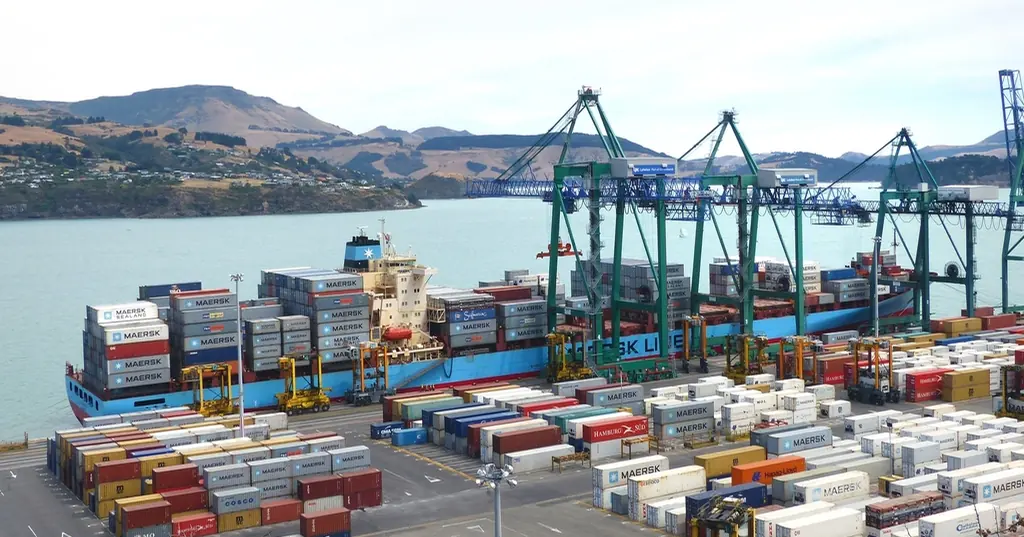
Shipping from Pakistan in bulk usually means sea freight from Karachi, or air freight for urgent and light goods. Choose the Incoterm, book through a freight forwarder, prepare accurate documents and arrange import clearance in the destination country before the goods arrive.
What are your shipping options?
| Option | Suits | Cost basis |
|---|---|---|
| Courier | Samples, small parcels | Actual or volumetric weight |
| Air freight | Urgent, light or valuable cargo | Chargeable weight |
| Sea LCL | Small bulk orders sharing a container | Mainly volume or weight, plus handling |
| Sea FCL | Orders filling a 20 or 40 foot container | Per container |
A 20-foot container holds roughly 25 to 28 cubic metres of well-packed cargo, and a 40-foot container roughly 55 to 60, depending on carton shapes and loading. Your forwarder can confirm the plan.
Which ports and airports are used?
Most sea exports leave through Karachi Port or Port Qasim. Goods from inland cities such as Lahore, Faisalabad and Sialkot travel by road or rail to the port, sometimes clearing at an inland dry port. Air cargo can leave from airports including Karachi, Lahore, Islamabad and Sialkot.
How is volume and chargeable weight calculated?
Cubic metres (CBM) = length (m) × width (m) × height (m) × number of cartons
Example: 100 cartons of 0.60 × 0.40 × 0.40 m equal 9.6 CBM. For air freight, a common volumetric divisor is 6,000 cubic centimetres per kilogram, so each of these cartons has a volumetric weight of 16 kg. If it actually weighs 12 kg, the carrier charges 16 kg. Couriers may use a different divisor.

Which export documents are needed?
| Document | Purpose |
|---|---|
| Commercial invoice | Value, description, parties and terms |
| Packing list | Cartons, weights and dimensions |
| Bill of lading or air waybill | Transport contract and receipt |
| Certificate of origin | Proof of origin, needed for some tariff preferences |
| Export declaration | Filed by the exporter or agent in Pakistan |
| Product certificates | Test, health, phytosanitary or other documents where required |
| Insurance certificate | Evidence of cargo cover |
Descriptions, values and quantities must match across all documents.
Shipping from Pakistan to the UAE
- Short sea route from Karachi to ports such as Jebel Ali, usually the quickest of these three destinations.
- The importer normally needs a UAE trade licence and a customs registration code.
- Many goods attract the Gulf common customs duty, generally 5%, and VAT applies; exemptions and special rates exist.
- Some products need approvals, labelling in Arabic or conformity documents.
Shipping from Pakistan to the UK
- The importer generally needs a GB EORI number.
- Duty depends on the commodity code in the UK Global Tariff.
- Pakistan is covered by the UK's Developing Countries Trading Scheme, which can reduce duty when the rules of origin and documents are met.
- Import VAT is charged, with accounting options for VAT-registered businesses.
- Product safety marking and labelling rules apply to many goods.
Shipping from Pakistan to the USA
- Ocean shipments need an Importer Security Filing ("10+2") before the cargo is loaded for the US.
- Formal entry is filed with US Customs and Border Protection, often by a licensed customs broker, with an importer number and bond.
- Duty depends on the Harmonized Tariff Schedule code, and additional tariffs may apply.
- Agencies such as the FDA or CPSC regulate certain products.
Tariffs and entry rules change. Confirm current requirements with a customs broker before you order.
How long does shipping take?
| Destination | Sea freight planning range | Air freight planning range |
|---|---|---|
| UAE | About 1 week at sea | A few days door to door |
| UK | About 3 to 5 weeks | Several days |
| USA | About 4 to 7 weeks, by coast and route | About one week |
These are broad planning ranges that exclude production, port waiting and clearance delays. Routes and sailing schedules change, so request current transit times.

What makes up the shipping cost?
- Inland transport to port or airport
- Export clearance and terminal charges
- Ocean or air freight and surcharges
- Cargo insurance
- Destination terminal and handling charges
- Customs broker fees, duty and tax
- Delivery, plus storage or demurrage if cargo waits
Choose FOB, CIF, FCA or a delivered term carefully, because it decides which of these you pay directly.
How do you avoid delays?
- Agree document drafts before the goods ship.
- Check the HS code and import requirements early.
- Pack to a written specification and mark cartons correctly.
- Book before holidays and peak season.
- Send original documents or releases promptly.
- Insure the cargo and photograph loading.
Do you need cargo insurance?
Carrier liability is limited, so cargo insurance is strongly advisable. Under CIF the seller buys only minimum cover. Read exclusions and the claim procedure, and inspect goods promptly on arrival.
How do you choose between LCL and FCL?
LCL is charged mainly on the space you use, but it adds consolidation and deconsolidation handling. As volume grows, a full container often becomes cheaper per cubic metre even before it is completely full. Ask your forwarder to quote both when your cargo reaches roughly half a small container, and compare destination charges too.
| Question | LCL | FCL |
|---|---|---|
| Cargo handled with others? | Yes | No |
| Handling risk | Higher, more touches | Lower |
| Typical timing | Extra days for consolidation | Direct to container |
| Packing advice | Strong cartons, palletise if possible | Plan the loading pattern |
What should you send a freight forwarder?
- Product description and HS code
- Number of cartons, dimensions and gross weight
- Pickup address and cargo ready date
- Destination address and preferred port or airport
- Incoterm and who pays which charges
- Special handling: batteries, liquids, hazardous or temperature-sensitive goods
- Declared value for insurance
Goods such as lithium batteries have special transport rules, so declare them at the start.
How should cartons be packed for export?
- Use cartons strong enough for stacking and humidity
- Keep weight manageable for manual handling
- Mark shipper, consignee reference, destination, carton number and origin
- Add desiccants where moisture can damage goods
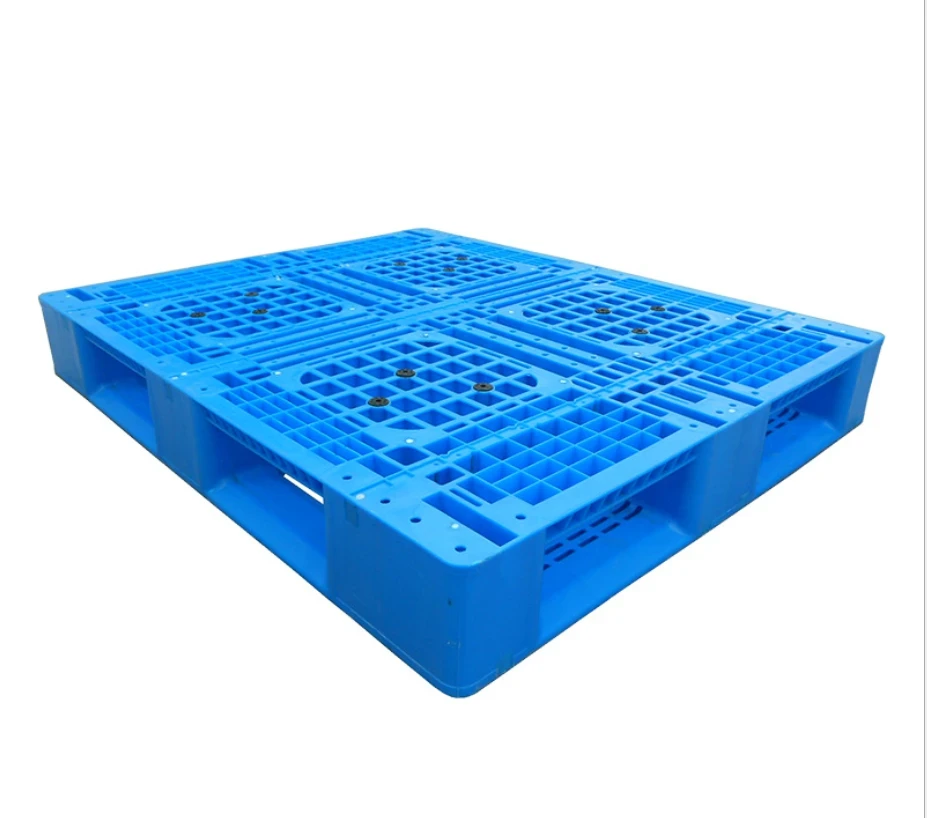
- Use treated or compliant pallets where wood packaging rules apply
- Photograph cartons and loading
What causes extra charges?
| Charge | Typical cause |
|---|---|
| Demurrage | Container stays at the terminal beyond free time |
| Detention | Container kept outside the terminal too long |
| Storage | Cargo waits in a warehouse for clearance or collection |
| Examination fees | Customs selects the shipment for inspection |
| Amendment fees | Errors in shipping documents |
Ask for free days and destination tariffs in writing before booking.
Shipping checklist before cargo leaves
- Inspection report accepted
- Invoice and packing list match the goods
- Destination importer registration ready
- Insurance arranged
- Booking and cut-off times confirmed
- Document release method agreed
Frequently asked questions
What is the cheapest way to ship from Pakistan?
For larger volumes sea freight is usually cheapest per unit. For small parcels a courier may cost less overall than LCL because of fixed handling charges.
Who clears customs at destination?
Usually the buyer, unless a delivered duty paid term was agreed and the seller can legally act.
Can a supplier arrange shipping for me?
Yes, under CIF, CFR or delivered terms. Ask for destination charges in advance.
How early should I book sea freight?
Contact a forwarder a few weeks before the cargo is ready, earlier in busy periods.
Plan your next shipment
Ask suppliers for carton data and Incoterm options in your RFQ, and read how to import from Pakistan.