





















MOQ, OEM, ODM, FOB, CIF and EXW: B2B Sourcing Terms and Incoterms 2020 Explained
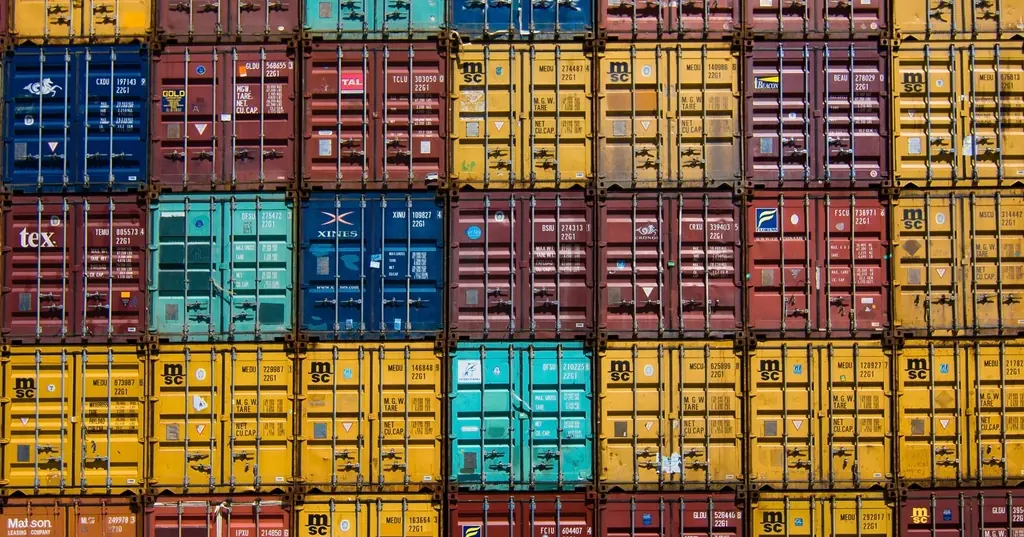
Plain-English explanations of MOQ, OEM, ODM, private label, all the Incoterms 2020 and common payment terms, with examples that help you compare supplier quotes correctly.
MOQ is the smallest quantity a supplier will accept. OEM and ODM say who designs the product. EXW, FOB and CIF are Incoterms that say who arranges and pays for transport and when risk passes from seller to buyer. Understand these and you can compare quotations on equal terms.
What does MOQ mean?
MOQ stands for minimum order quantity: the lowest number of units, weight or value a supplier is willing to produce or sell in one order. It may apply per order, per design, per colour or per size. A quote of "MOQ 500 pieces per colour" for three colours means at least 1,500 pieces.
Why do manufacturers set a minimum order quantity?
Every production run has fixed costs: buying materials in minimum lots, making moulds or screens, setting up machines and quality checks. Spreading these costs over very few units makes the order unprofitable or the unit price very high.
How can you negotiate a lower MOQ?
- Use materials and colours the factory already keeps in stock
- Accept a higher unit price for a smaller trial order
- Combine sizes or designs that share the same material
- Pay separately for tooling or screens
- Show a realistic plan for repeat orders
- Choose an existing (ODM) design with only your logo added
What is the difference between OEM, ODM and private label?
| Model | Who designs | Best for | Cost and time |
|---|---|---|---|
| OEM (original equipment manufacturer) | Buyer provides design and specification | Unique products | Higher development cost, longer |
| ODM (original design manufacturer) | Supplier offers its own design | Fast launches with small changes | Lower, quicker |
| Private label | Usually the supplier's standard product | Selling under your brand | Lowest development effort |
Always agree in writing who owns designs, artwork and moulds, and whether the supplier may sell the same design to others.
What are Incoterms?
Incoterms are standard trade terms published by the International Chamber of Commerce. The current edition is Incoterms 2020. Each term defines delivery, the transfer of risk and which party handles transport, export and import formalities. Always write the term with a named place, for example FOB Karachi, Incoterms 2020.
All 11 Incoterms 2020 at a glance
| Term | Name | Transport | Seller's main responsibility |
|---|---|---|---|
| EXW | Ex Works | Any | Make goods available at its premises |
| FCA | Free Carrier | Any | Hand goods to the buyer's carrier, export cleared |
| CPT | Carriage Paid To | Any | Pay carriage to a named destination; risk passes at first carrier |
| CIP | Carriage and Insurance Paid To | Any | As CPT, plus wide insurance cover |
| DAP | Delivered at Place | Any | Deliver to named place, ready for unloading |
| DPU | Delivered at Place Unloaded | Any | Deliver and unload at named place |
| DDP | Delivered Duty Paid | Any | Deliver with import duties paid |
| FAS | Free Alongside Ship | Sea and inland waterway | Place goods alongside the vessel |
| FOB | Free on Board | Sea and inland waterway | Load goods on board at the port of shipment |
| CFR | Cost and Freight | Sea and inland waterway | Pay freight to destination port |
| CIF | Cost, Insurance and Freight | Sea and inland waterway | Pay freight and minimum insurance to destination port |
FOB vs CIF: which is better for importers?
| Question | FOB | CIF |
|---|---|---|
| Who books and pays ocean freight? | Buyer | Seller |
| Who insures the cargo? | Buyer (optional but advisable) | Seller (minimum cover) |
| When does risk pass? | Goods on board at origin port | Goods on board at origin port |
| Control over shipping line and cost | Buyer | Seller |
| Typical user | Buyers with a freight forwarder | Newer buyers wanting one price to port |
The point many buyers miss: under CIF the seller pays freight, but you still carry the risk during the voyage. The seller's insurance only has to meet a minimum level, so ask for wider cover if your goods need it. Check destination charges too, because a cheap CIF price can come with high local fees.
What does EXW mean and when should you use it?
Under EXW (Ex Works) the seller only makes the goods available at its premises. You handle loading, inland transport, export clearance and everything afterwards. The quoted price looks lowest, but export formalities in a foreign country can be difficult for a buyer. FCA is often a better choice because the seller clears the goods for export.
Should you use FOB for container shipments?
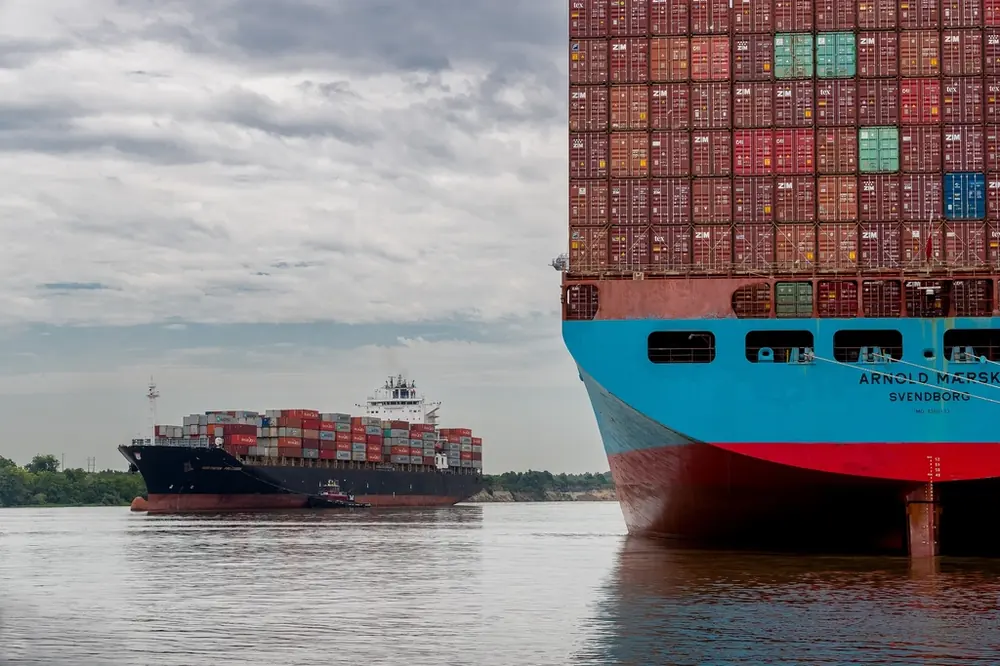
For containers handed to a carrier at a terminal before loading, the ICC rules point to FCA rather than FOB (and CPT or CIP rather than CFR or CIF). FOB is still widely quoted, so if you use it, make sure both sides understand where responsibility changes.
Which payment terms will you see?
| Term | Meaning |
|---|---|
| T/T | Telegraphic transfer, a bank wire. Often a deposit plus balance. |
| L/C | Letter of credit: a bank pays when documents meet agreed conditions. |
| D/P | Documents against payment: shipping documents released when you pay. |
| D/A | Documents against acceptance: documents released against a promise to pay later. |
| PI | Proforma invoice: the price and terms before payment. |
How do you calculate landed cost?
Landed cost is what one unit costs when it reaches your warehouse: product price, plus tooling and samples, freight, insurance, duties and taxes, clearance and port charges, bank charges and local delivery, divided by the number of units.
Illustration: 1,000 units at 4.00 each is 4,000. Add 600 freight and insurance, 400 duty and tax and 200 clearance and delivery. The total is 5,200, so the landed cost is 5.20 per unit, 30% above the quoted price. Use your own figures from your forwarder and customs broker.
What other sourcing terms should you know?
- RFQ: request for quotation.
- Lead time: days from confirmed order to shipment.
- HS code: product classification used by customs.
- AQL: acceptable quality limit used in inspection sampling.
- LCL and FCL: shared container and full container shipping.
- Bill of lading: the carrier's receipt and a key sea shipping document.
How do you compare two quotations with different Incoterms?
Convert both to the same point, usually the landed cost at your warehouse. The figures below are an invented illustration to show the method.
| Cost for 1,000 units | Supplier A: FOB | Supplier B: CIF |
|---|---|---|
| Quoted goods price | 4,000 | 4,700 |
| Ocean freight and insurance you pay | 550 | 0 (included) |
| Destination port and handling charges | 250 | 400 |
| Duty and tax (example) | 400 | 400 |
| Delivery to warehouse | 200 | 200 |
| Landed total | 5,400 | 5,700 |
Supplier B looks convenient, but in this example costs 300 more once destination charges are counted. Note that some countries calculate duty on the CIF value and others on FOB value, so ask your broker which applies to you.
How does MOQ affect your unit price and cash flow?
Suppose a factory quotes a one-time screen and setup cost of 300 plus 3.00 per unit.
| Order quantity | Total cost | Cost per unit |
|---|---|---|
| 100 | 600 | 6.00 |
| 500 | 1,800 | 3.60 |
| 1,000 | 3,300 | 3.30 |
| 5,000 | 15,300 | 3.06 |
The unit price falls quickly at first and then flattens. Ordering more than you can sell locks up cash and storage space, so compare the saving with your realistic sales for the next few months.
Which Incoterm mistakes cost buyers money?
- No named place: "FOB" alone does not say which port. Write "FOB Karachi, Incoterms 2020".
- Assuming CIF covers your risk fully: insurance is only a minimum, and risk passes at loading.
- Choosing EXW without export support: a foreign buyer may struggle with export clearance.
- Choosing DDP blindly: the seller needs to handle your country's import formalities; confirm they legally can.
- Ignoring destination charges: ask for them before accepting a C-term.
- Confusing payment with delivery: an Incoterm does not say when you pay or when ownership transfers. Put both in the contract.
How should you write terms in your RFQ?
A clear line removes most misunderstandings:
Quantity: 1,000 pieces per colour (please state your MOQ). Model: ODM with our logo. Price: FOB Karachi and CIF [your port], Incoterms 2020. Payment: deposit with balance after pre-shipment inspection. Please state sample cost, lead time and quotation validity.
Asking for two Incoterms from every supplier lets you see the freight difference immediately. You can paste this into an IncomeOn RFQ.
Frequently asked questions
Is MOQ negotiable?
Often, yes. Suppliers may lower it for stock materials, a higher unit price, separate tooling payment or a credible plan for repeat orders.
Which is cheaper, FOB or CIF?
Neither is automatically cheaper. Compare the total landed cost, including destination charges and insurance, for the same shipment.
Who pays import duty under CIF or FOB?
The buyer normally clears the goods and pays import duties and taxes under both terms. Under DDP the seller takes on that cost.
Is OEM or ODM better for a new brand?
ODM or private label is usually faster and cheaper for a first launch. OEM suits brands that need a unique product and can pay for development.
Put the terms to work
State your MOQ target and preferred Incoterm in your enquiry so quotes arrive comparable. Request a quotation, read how to import from Pakistan, or use our supplier verification checklist.