










How to Import from Pakistan: Complete Step-by-Step Guide for Buyers (2027)
A complete buyer's guide to importing from Pakistan: what to buy, where it is made, how to find and verify manufacturers, how to pay safely and how to ship your goods.
To import from Pakistan, choose your product and write a clear specification, shortlist manufacturers, verify them, request quotations, approve a sample, agree price, payment and Incoterms in writing, inspect the goods before shipment, and clear them through customs in your own country. A first order usually takes several weeks from enquiry to delivery, depending on the product and shipping method.
Why import from Pakistan?
Pakistan has long-established manufacturing clusters that supply international brands and wholesalers, particularly in textiles, apparel, leather, sports goods and surgical instruments. Many factories are small and medium-sized businesses, which often makes them more flexible about custom designs, private labels and moderate order quantities than very large plants.
- Deep specialisation: whole cities focus on one product family, so materials, skilled labour and subcontractors sit close together.
- Customisation: logos, colours, fabrics, packaging and labelling are commonly offered.
- Competitive pricing: especially for labour-intensive products such as stitched sports goods and garments.
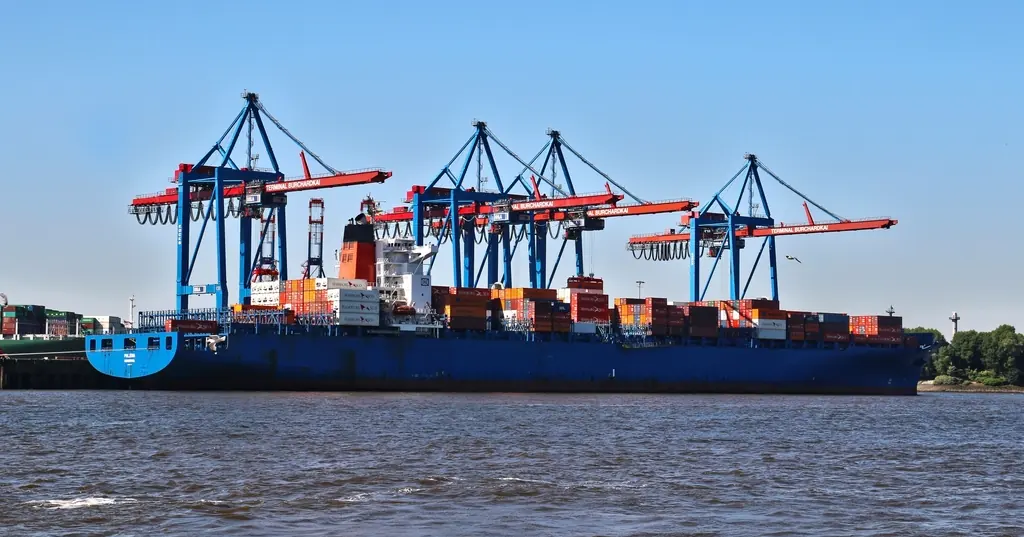
- Sea access: Karachi has two major seaports, Karachi Port and Port Qasim.
Pakistan is not the best source for every product. Compare quality, minimum order quantity (MOQ), lead time and total landed cost with other origins before you decide.
What are the best products to import from Pakistan?
The strongest categories are those with an established cluster behind them. Use this table as a starting point.
| Product group | Main manufacturing area | What to specify |
|---|---|---|
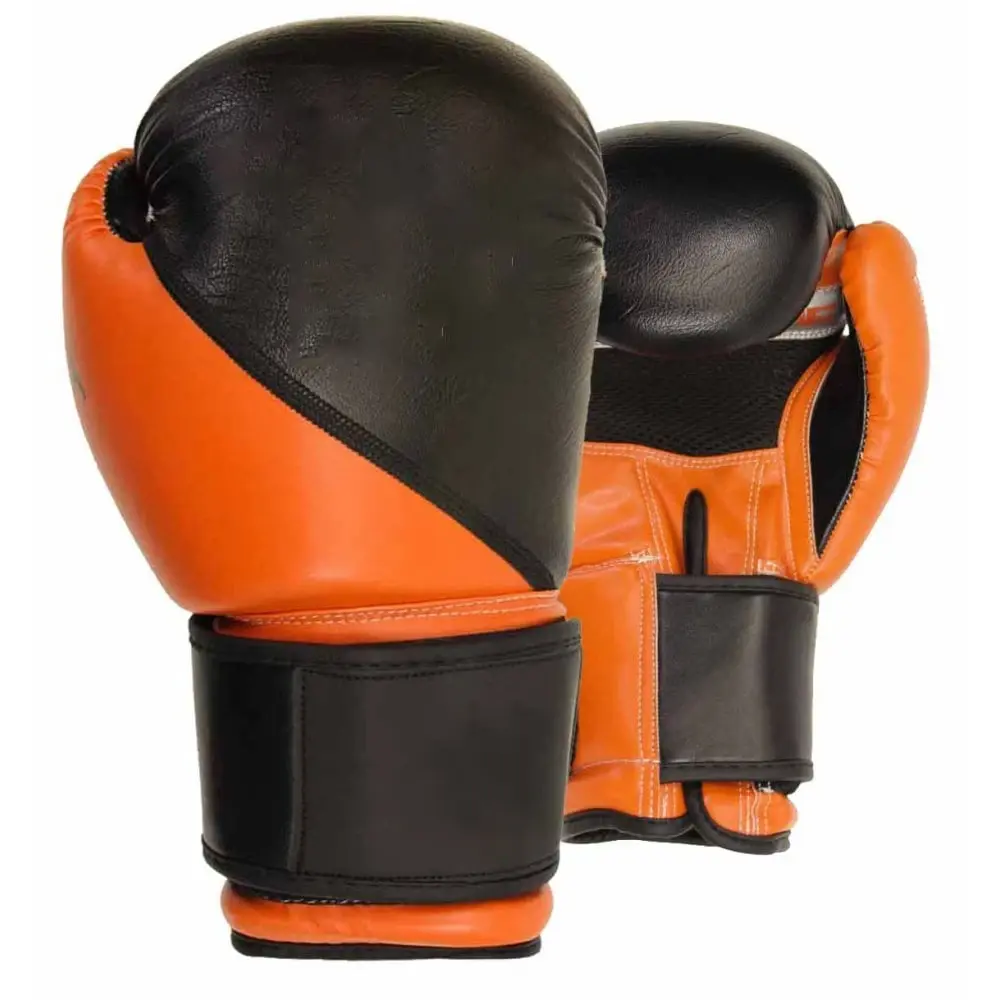
| Footballs, boxing and sports gear | Sialkot | Material, stitching method, size, testing standard |
| Surgical and dental instruments | Sialkot | Steel grade, finish, regulatory documents for your market |
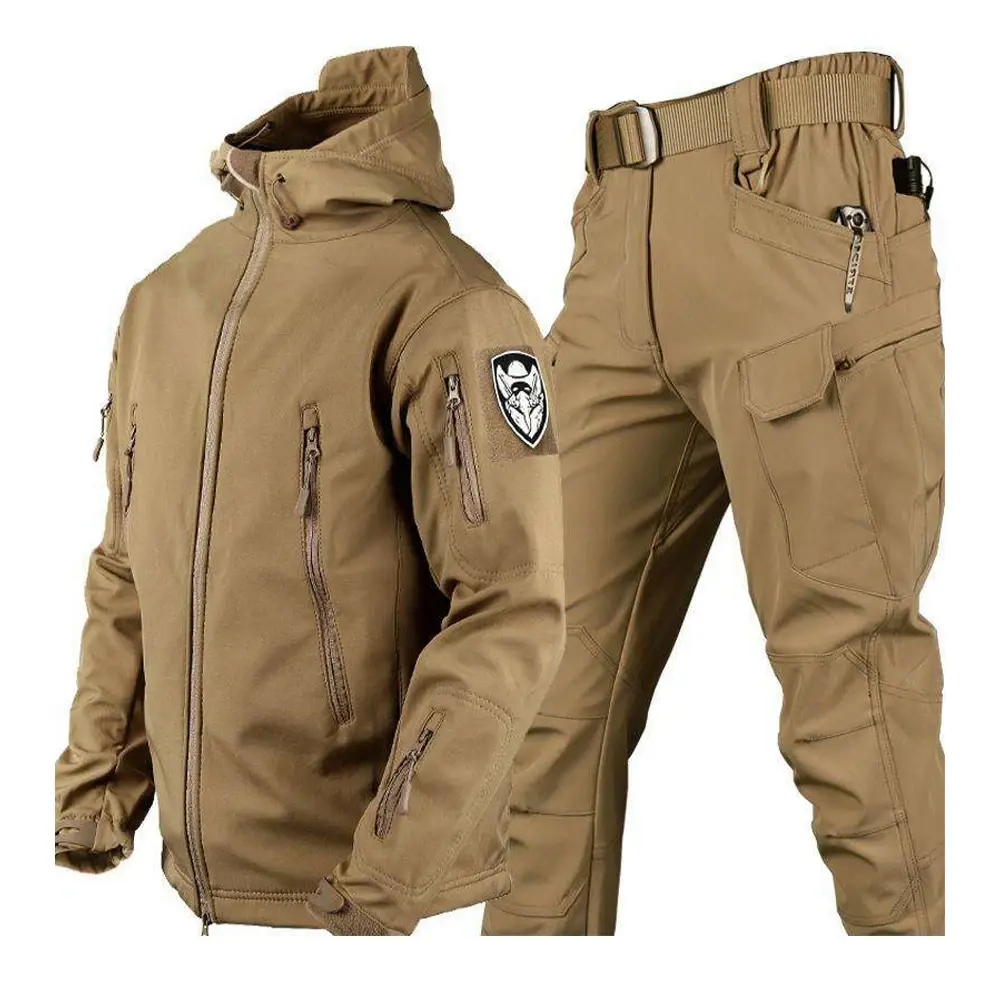
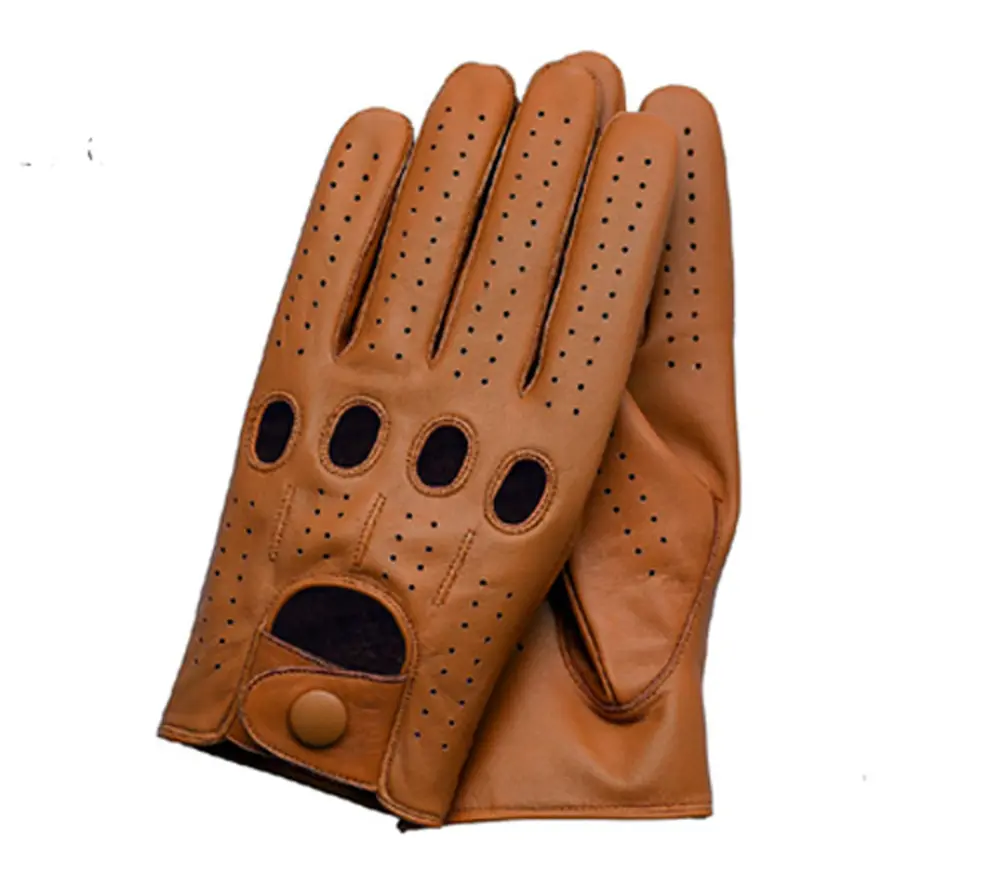
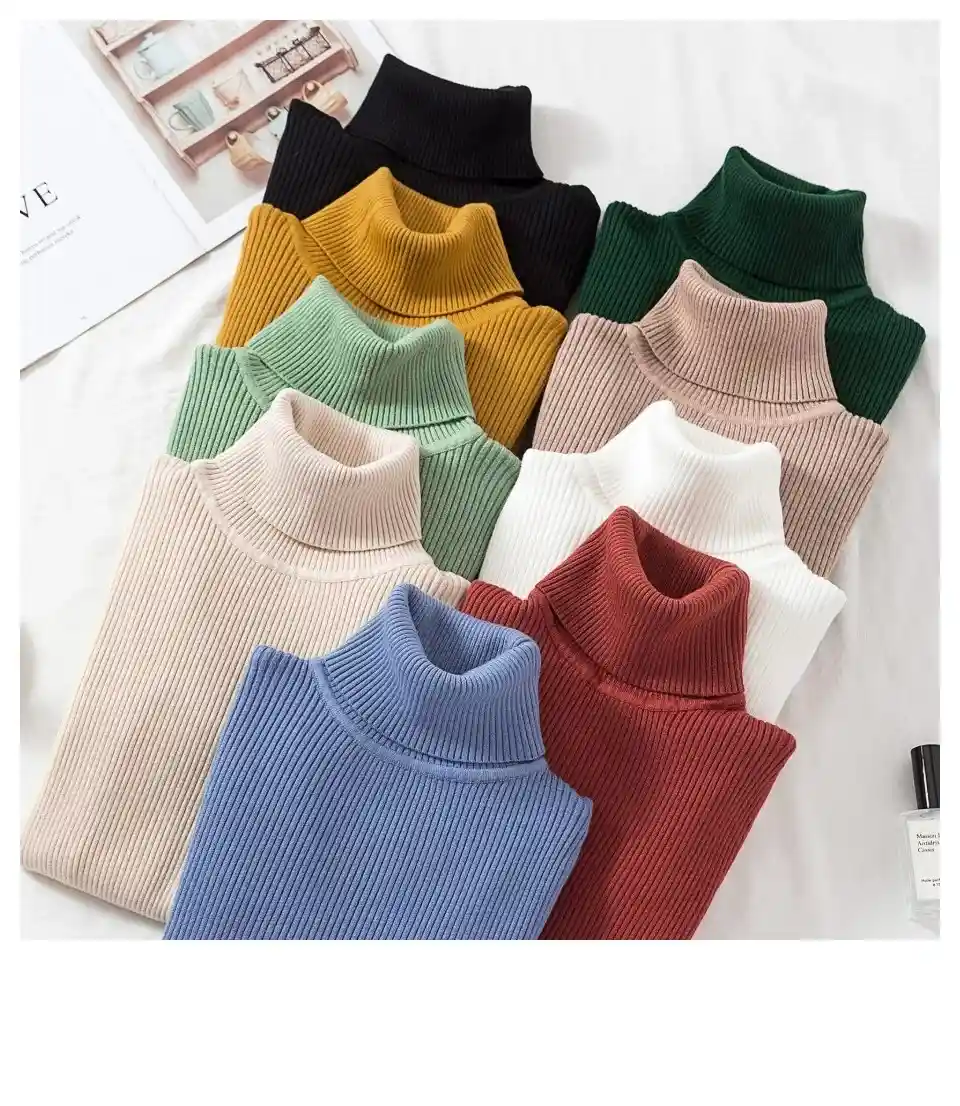
| Leather gloves, jackets and goods | Sialkot, Karachi | Leather type and thickness, lining, colour fastness |
| Home textiles (towels, bed linen) | Faisalabad, Karachi, Multan | Fabric composition, GSM, thread count, shrinkage limits |
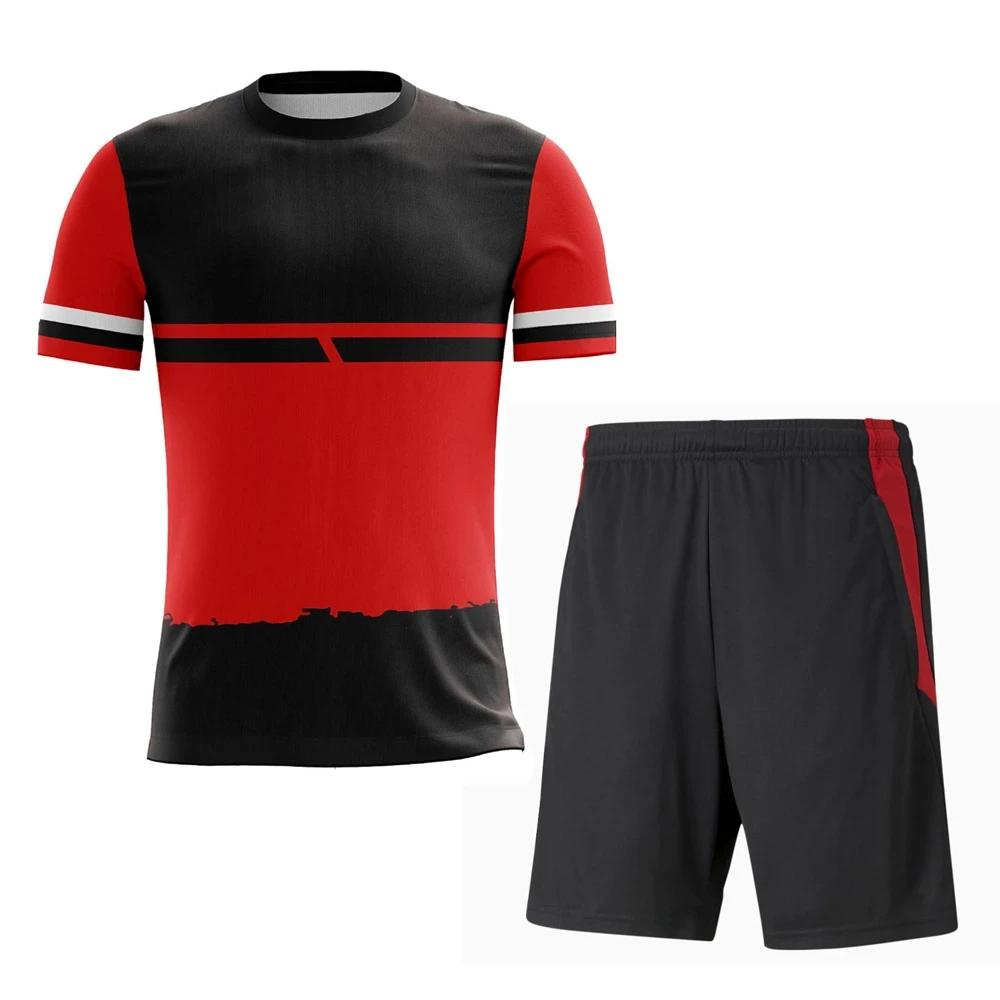
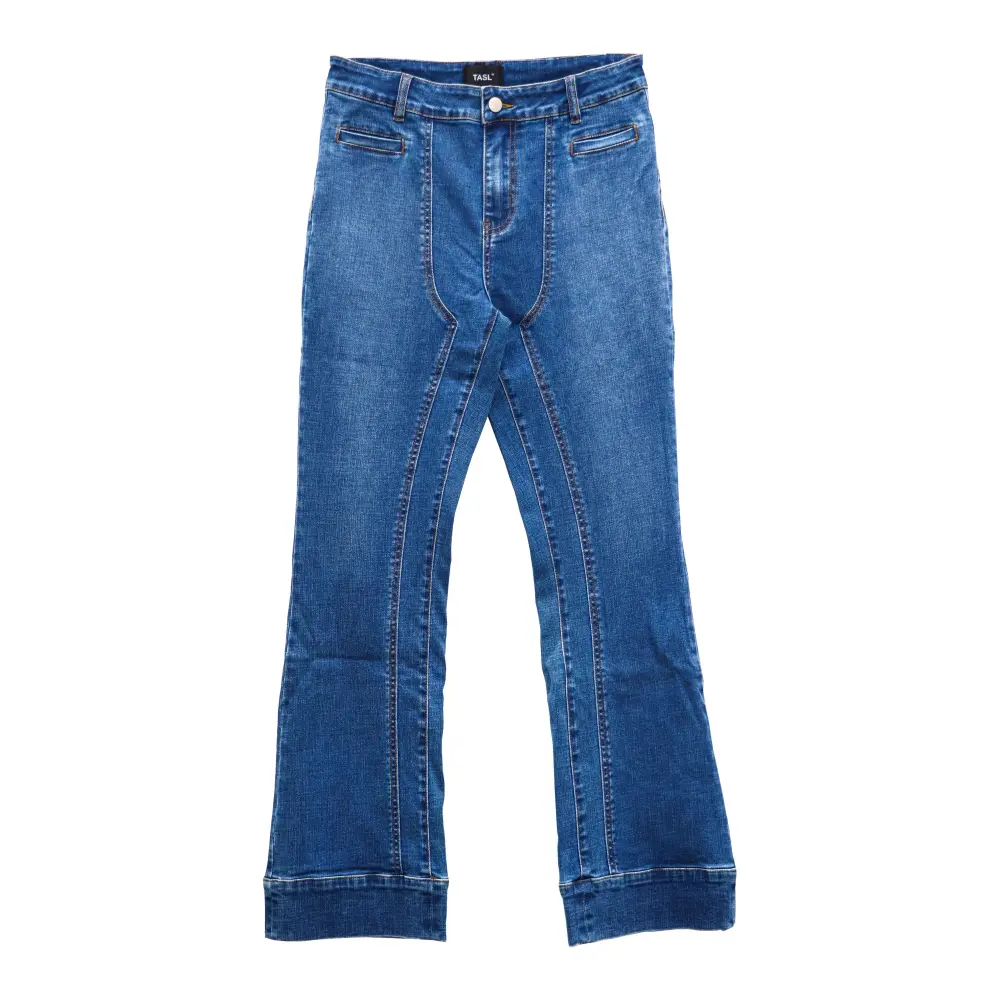
| Apparel and sportswear | Lahore, Faisalabad, Karachi, Sialkot | Size chart, fabric, print or embroidery, tolerances |
| Cutlery and knives | Wazirabad | Steel grade, handle material, import rules for blades |
| Rice and food products | Punjab and Sindh | Variety, grade, moisture, food safety certificates |
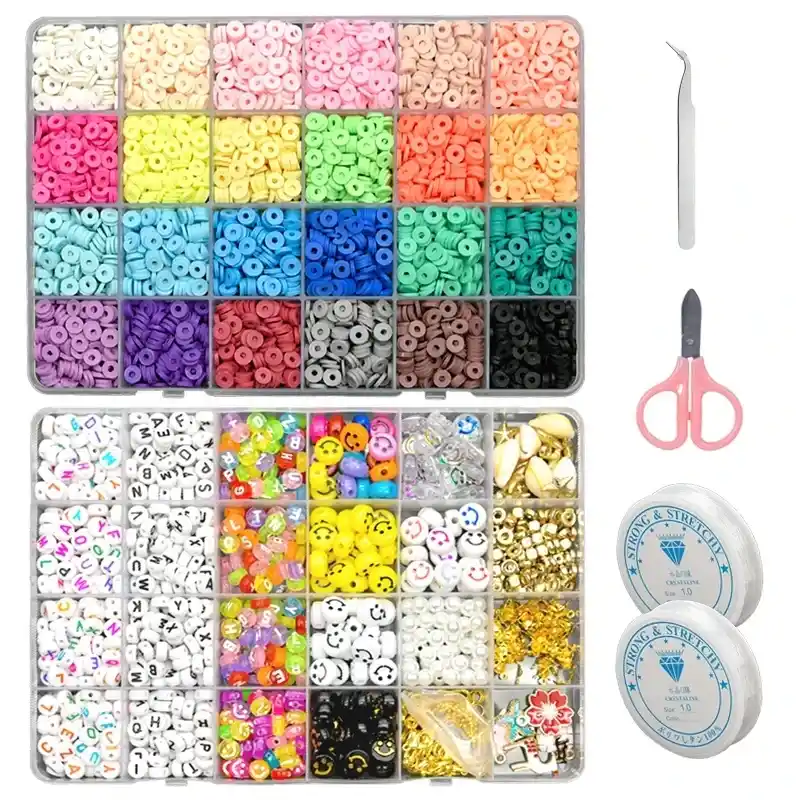
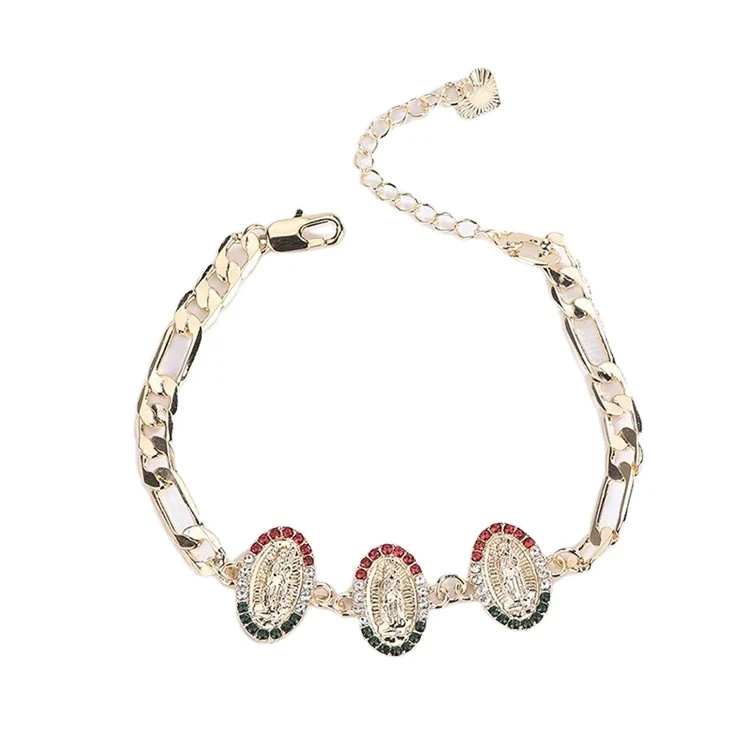
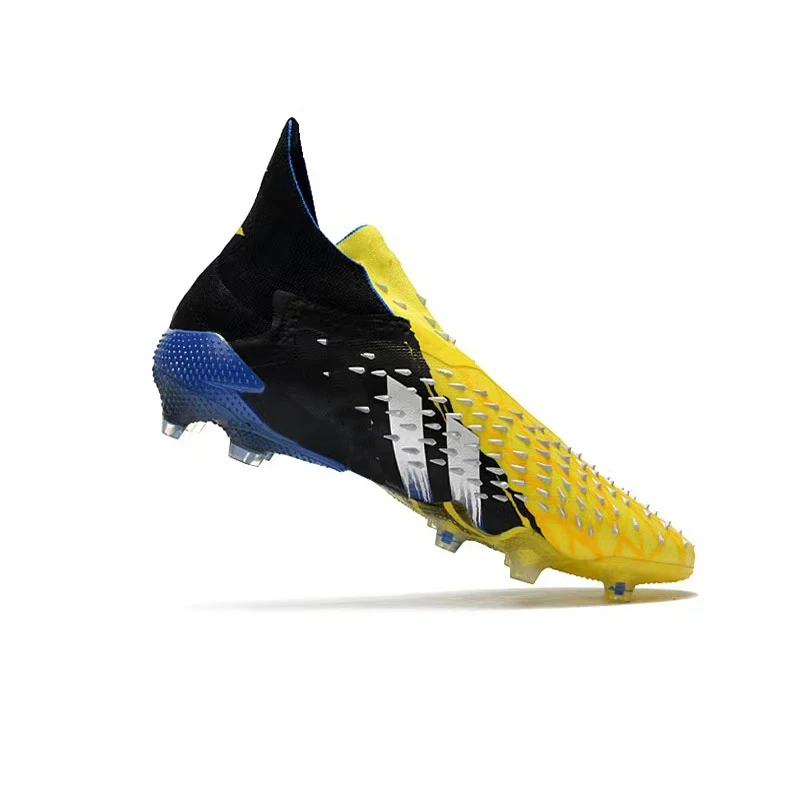
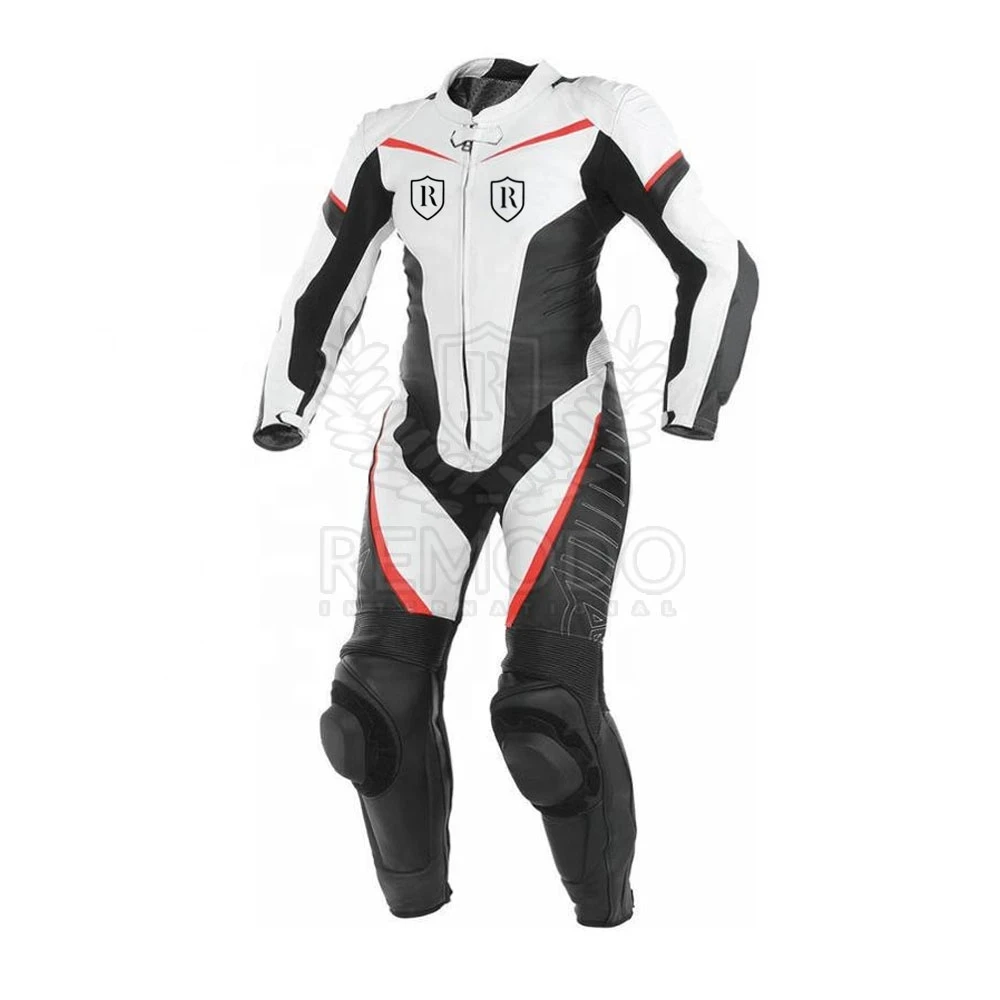
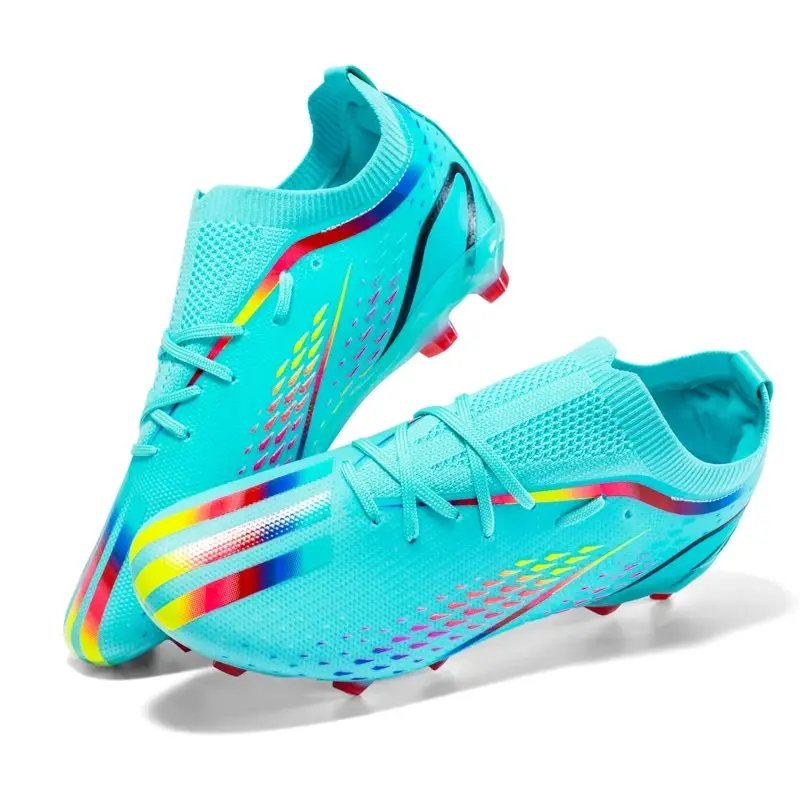
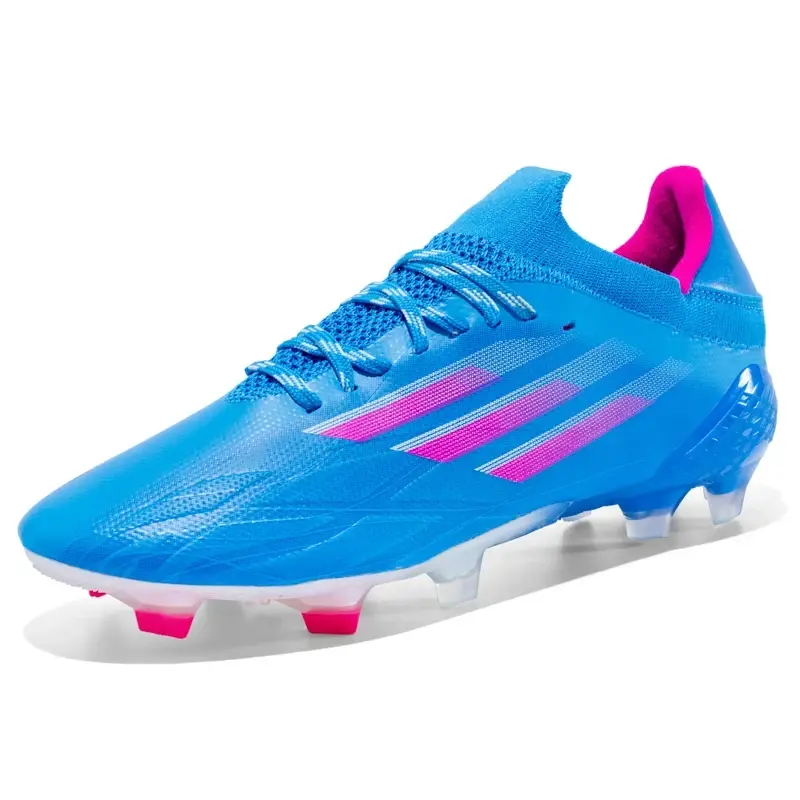
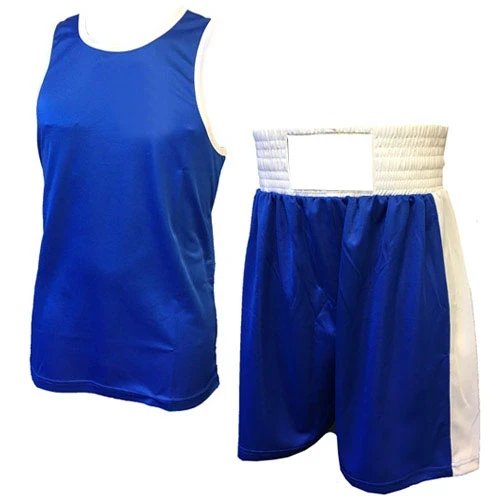
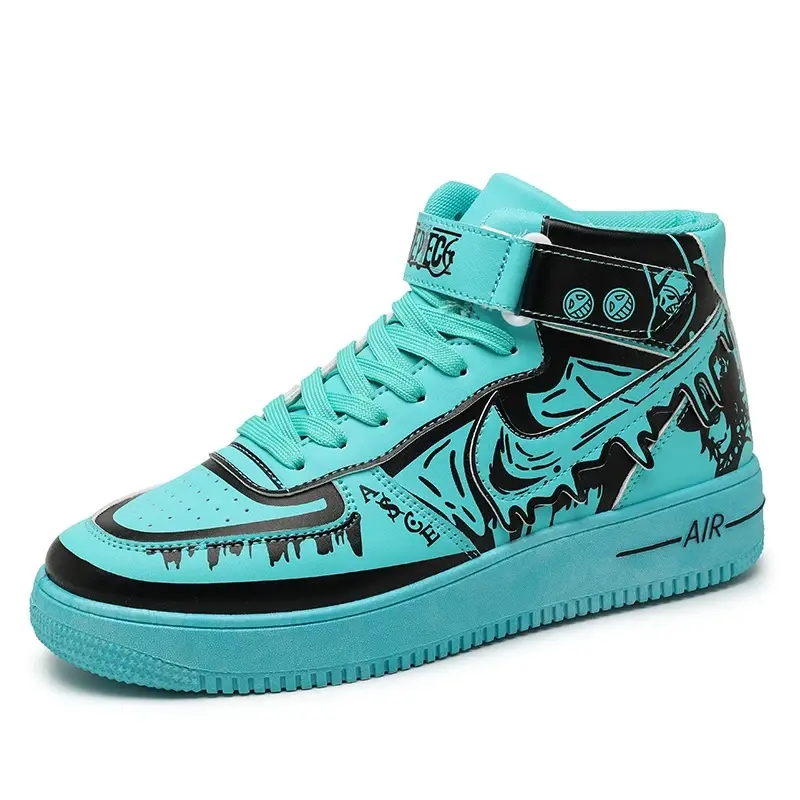
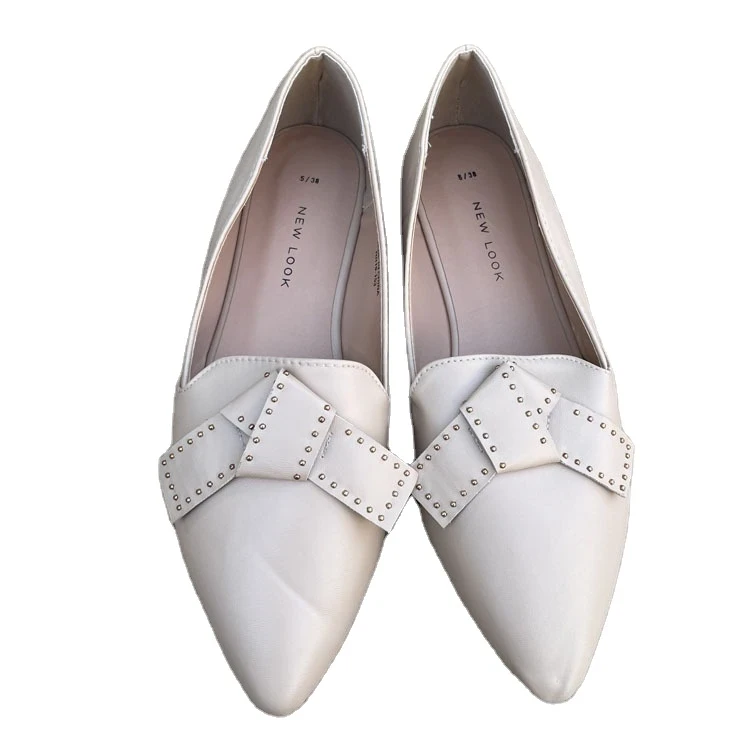
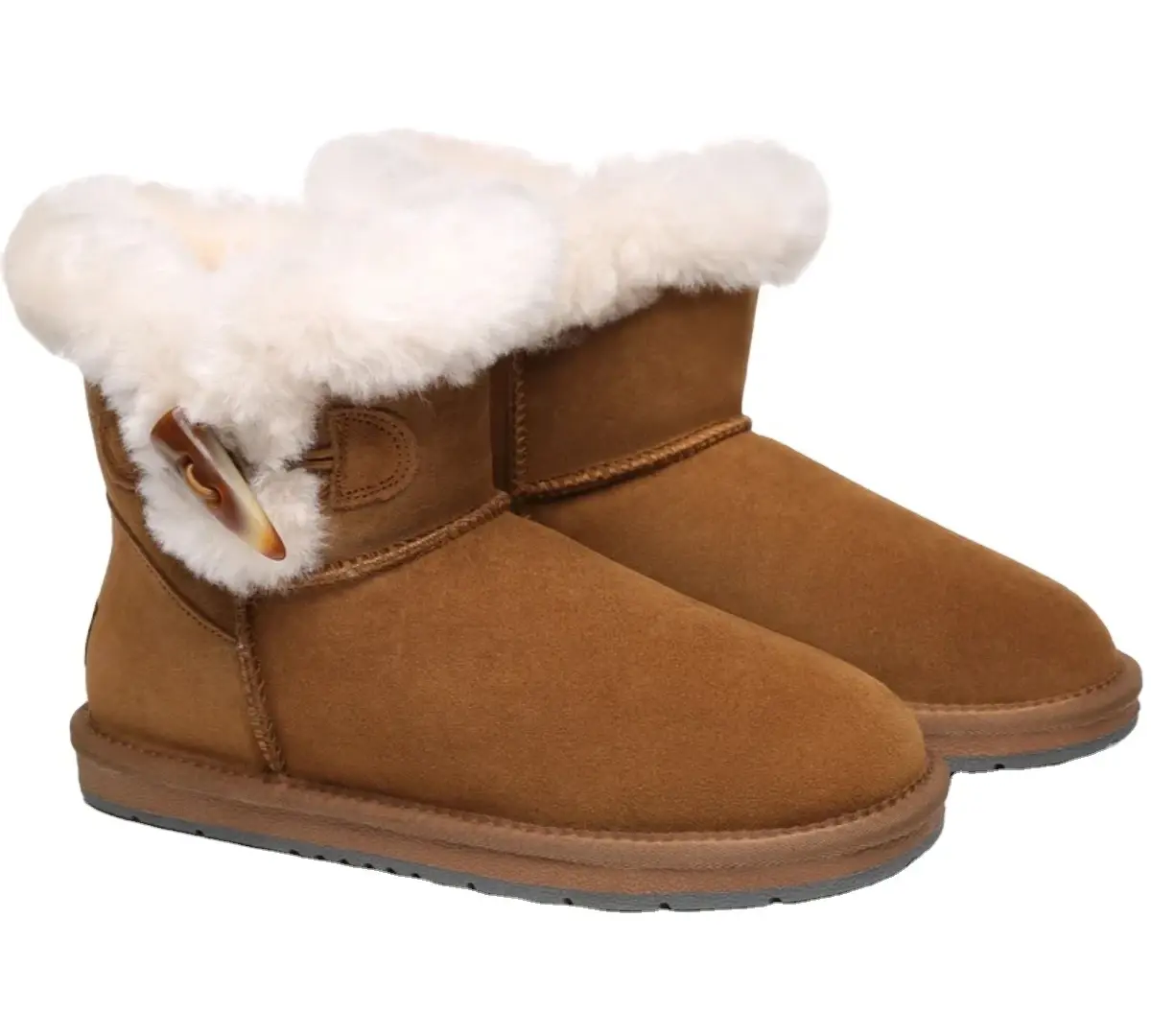
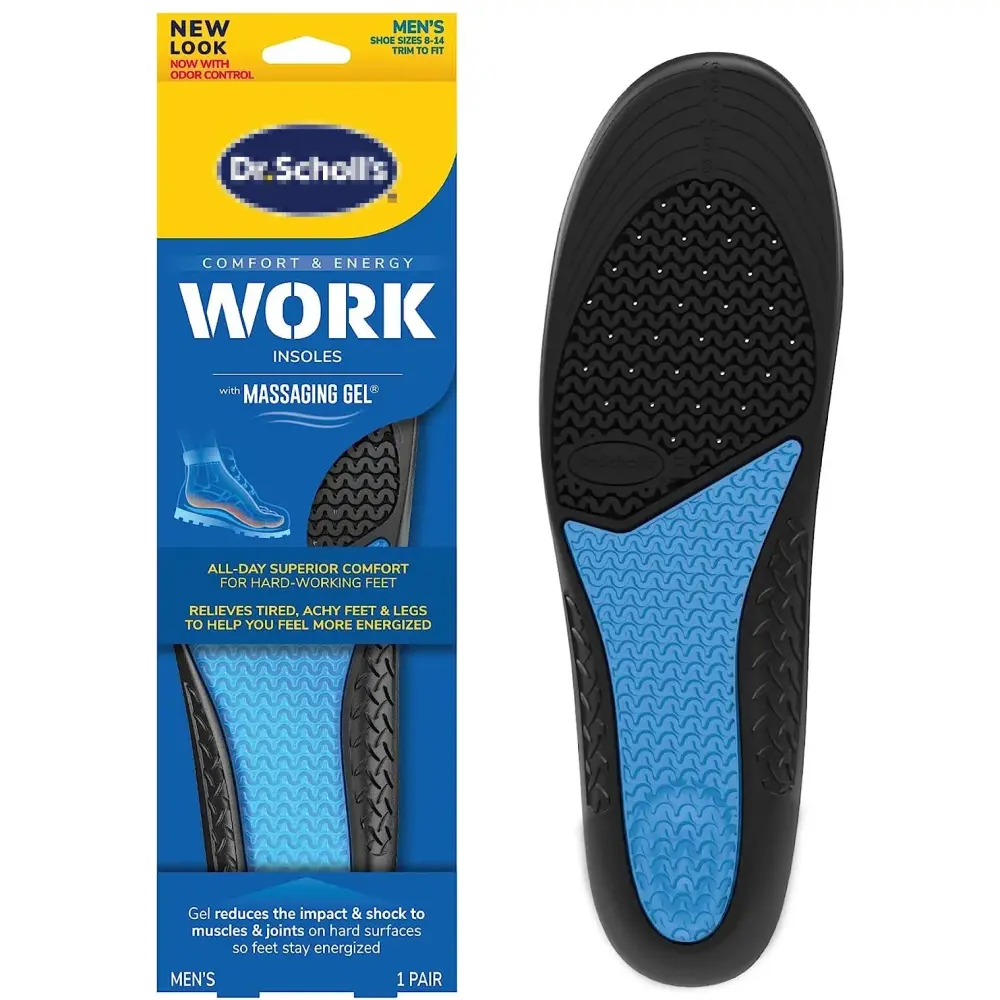
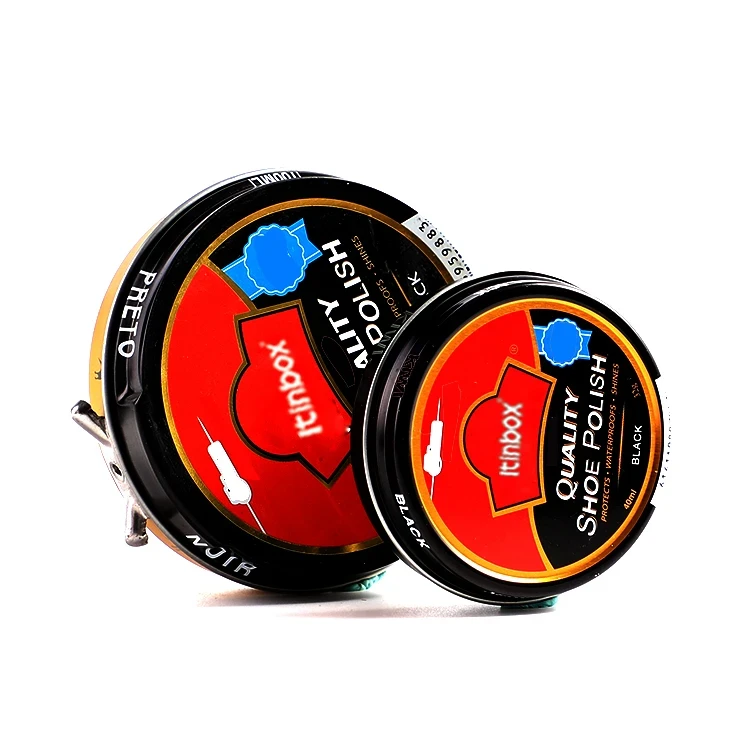
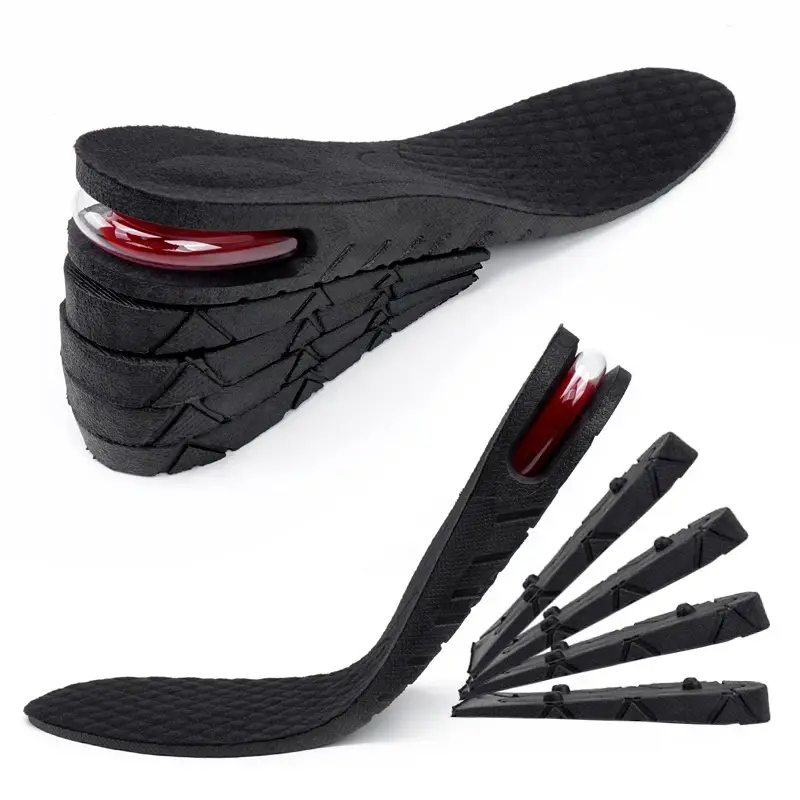
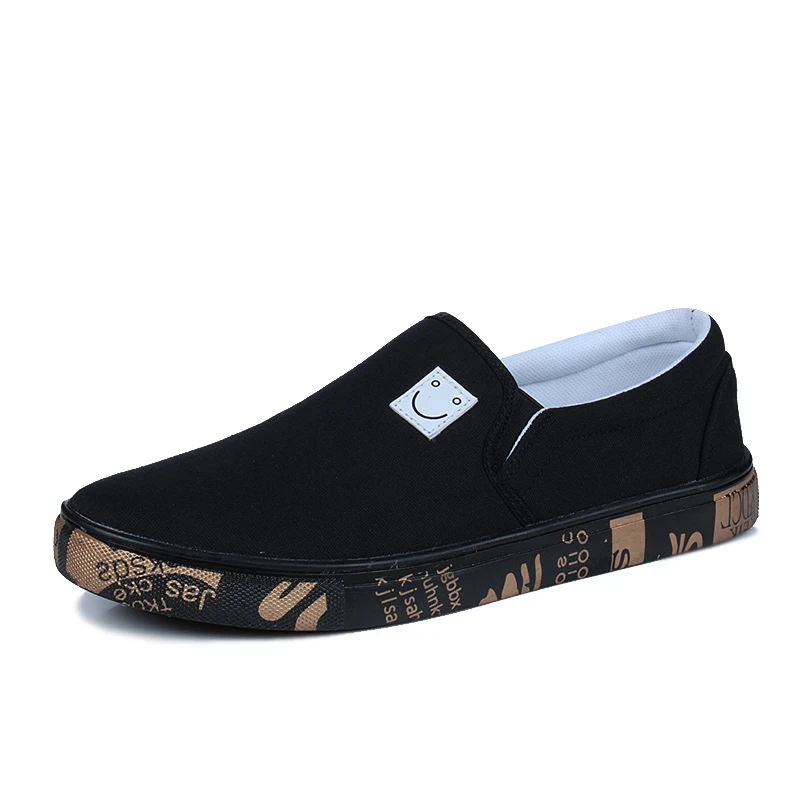
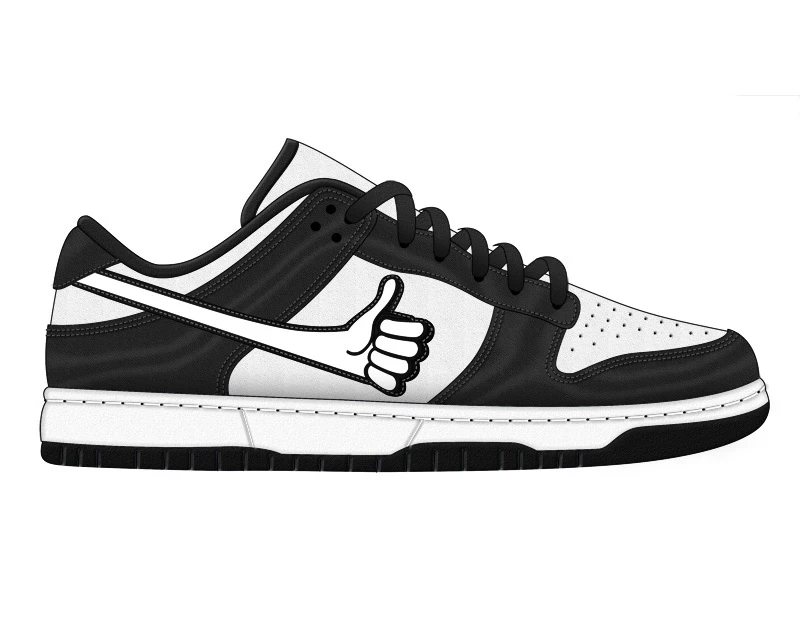
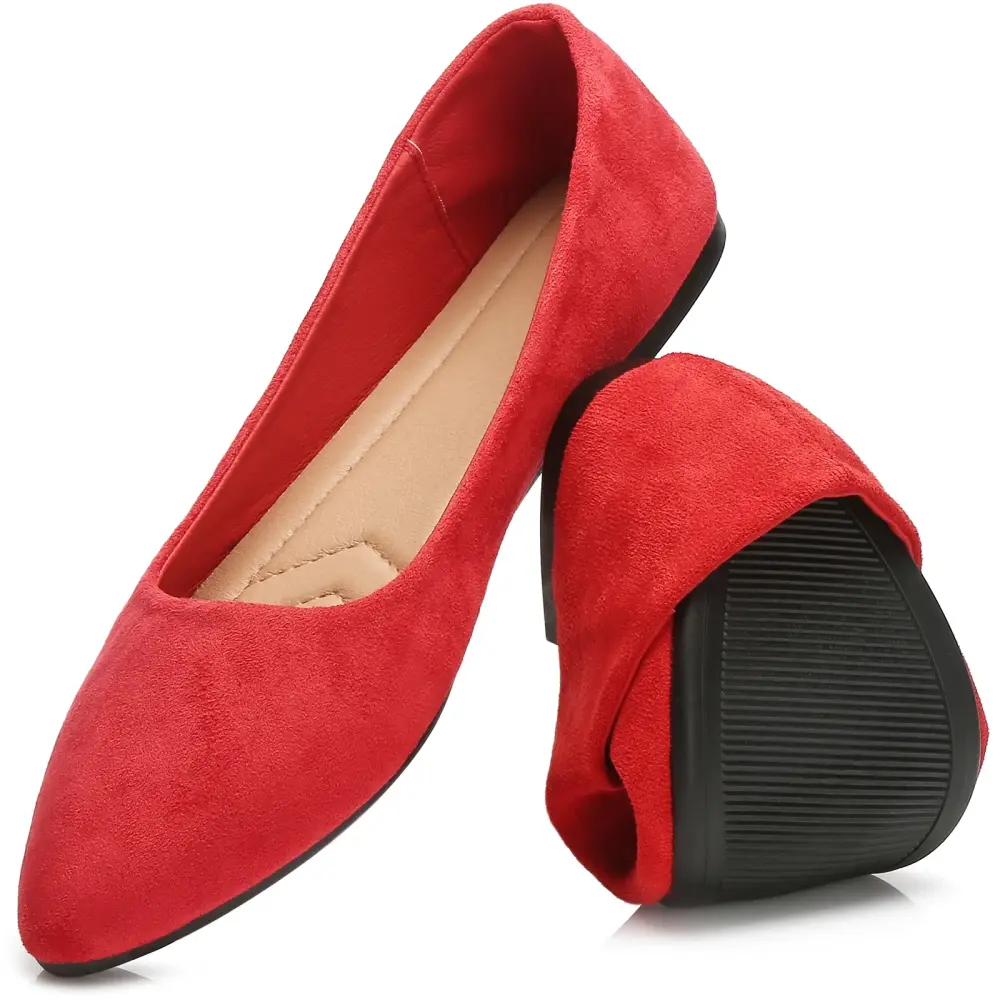
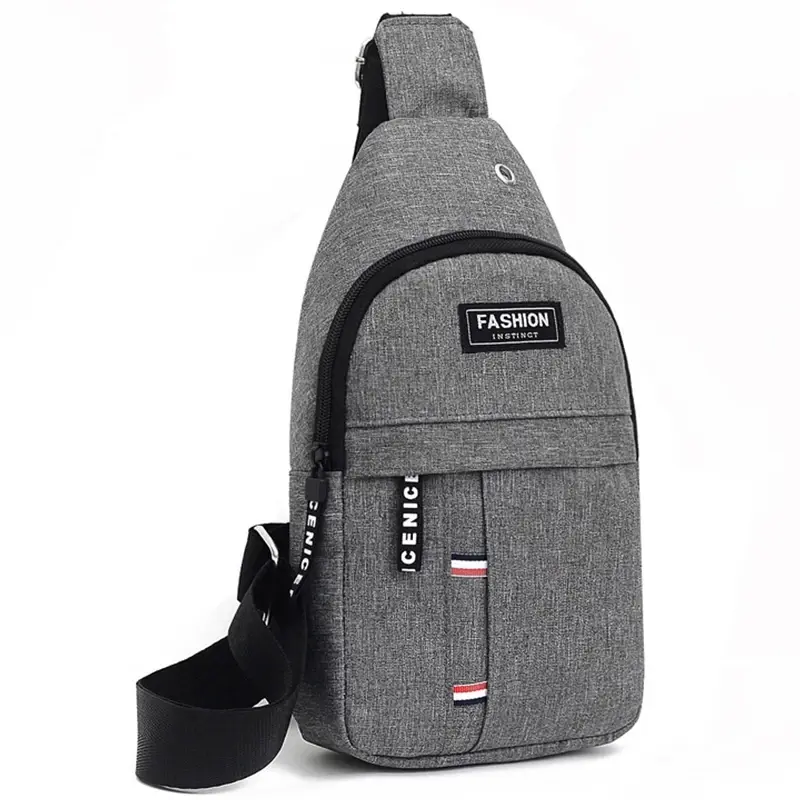
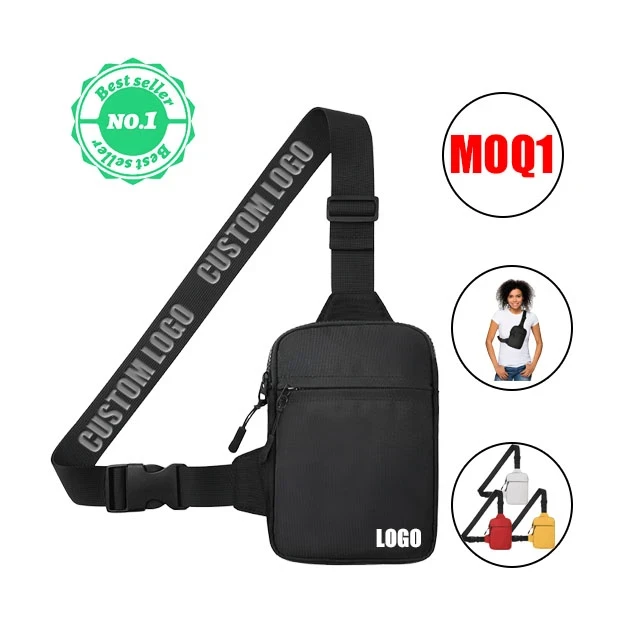
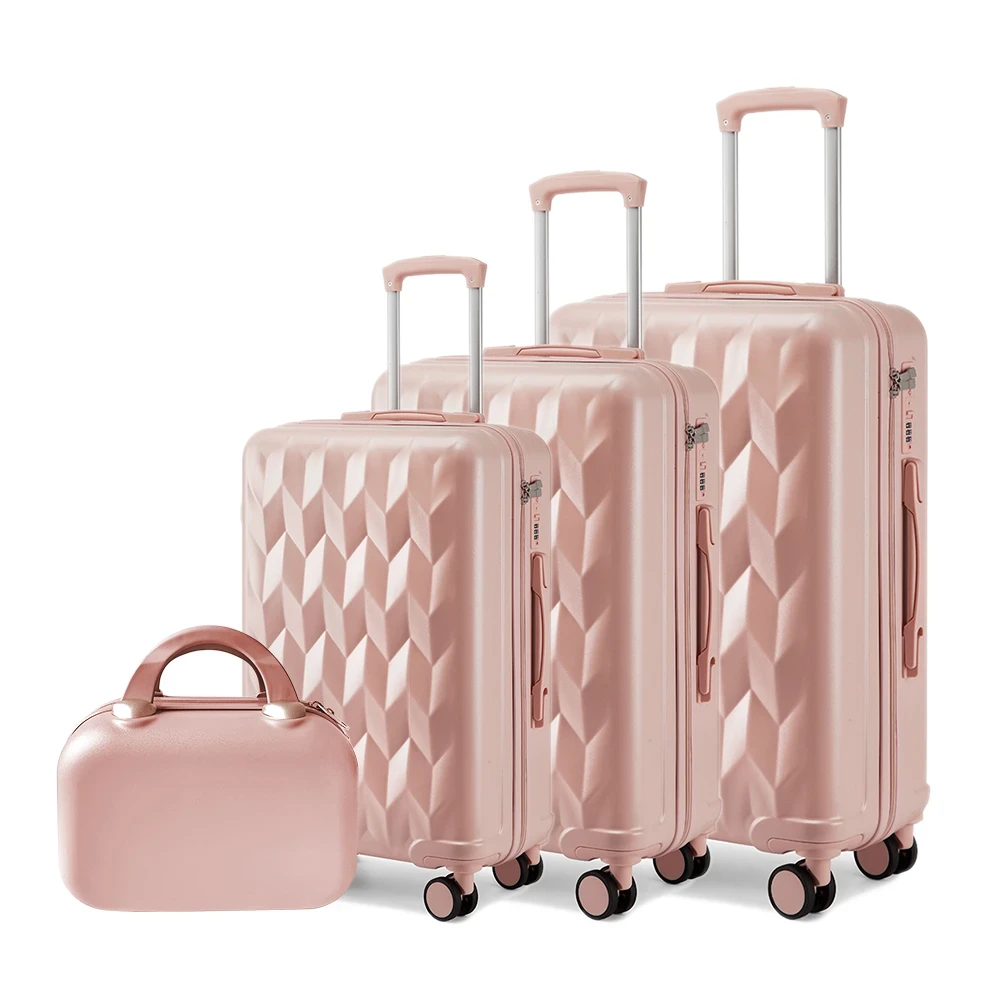
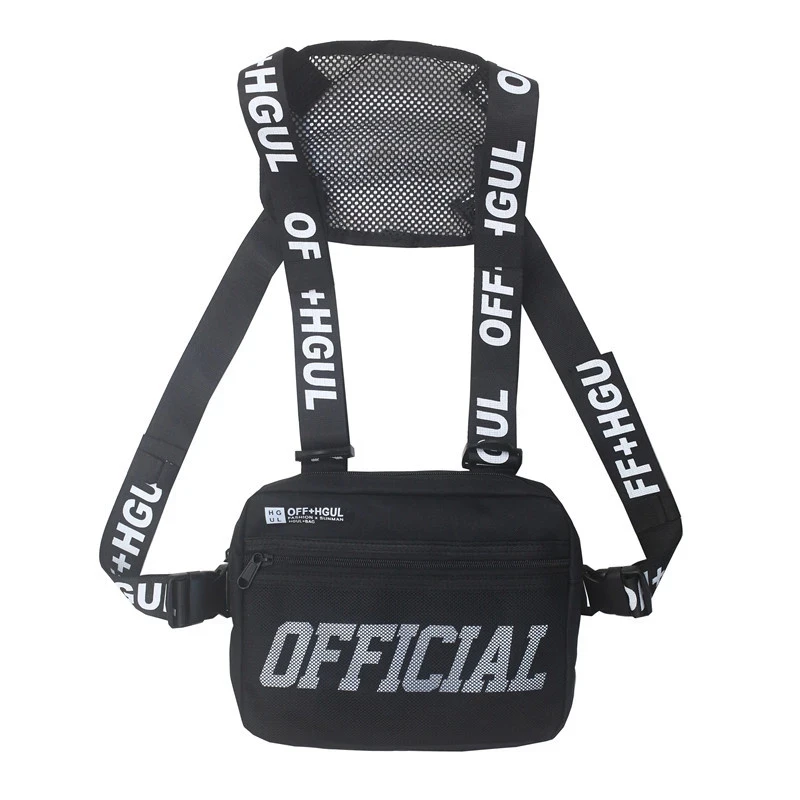
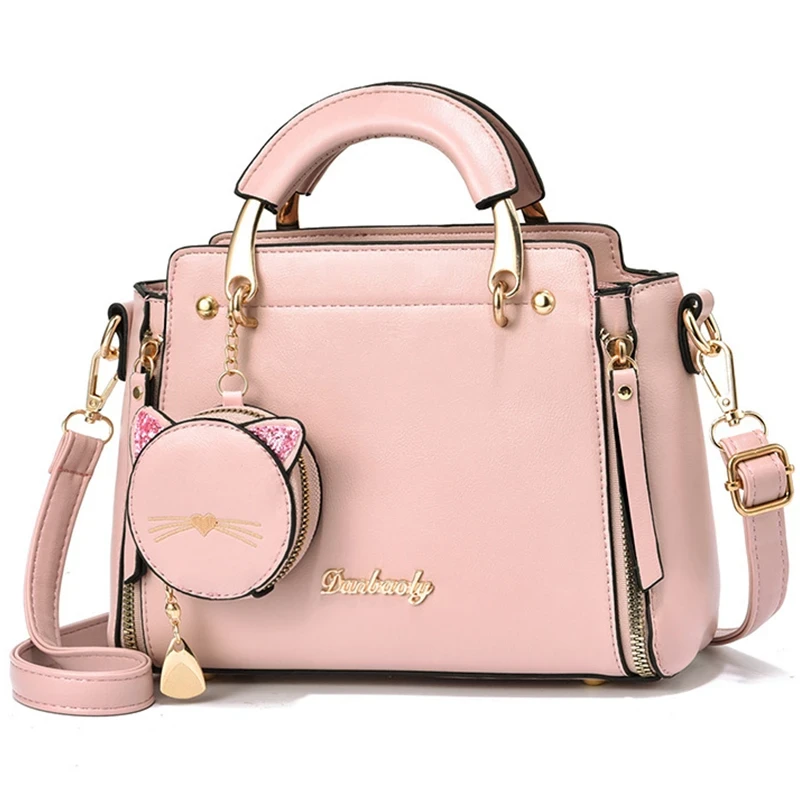
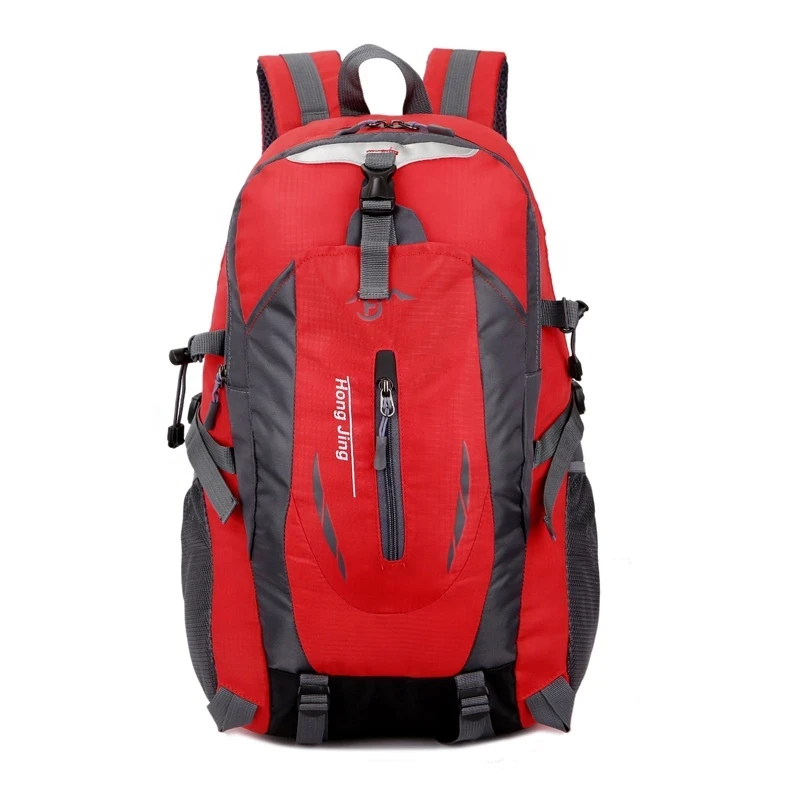
On IncomeOn you can browse categories such as football boots, boxing uniforms, sling bags and canvas shoes to see products and send enquiries.
Step 1: Research your market and import rules
Before you contact any factory, find out whether you can legally import and sell the product at home. Check these points with your customs authority or a licensed customs broker:
- The HS code (Harmonized System code) for your product. The first six digits are used internationally; countries add further digits.
- Import duty, taxes and any preferential tariff that applies to goods of Pakistani origin.
- Product safety, labelling and testing requirements (for example for protective equipment, medical devices, food, toys or electrical goods).
- Licences or registrations you need as an importer.
This research tells you your real landed cost and prevents goods being held at the border.
Step 2: Write a product specification
A written specification is the most useful document in international sourcing. It makes quotations comparable and gives you something to inspect against. Include:
- Product name, use and drawings, photos or a reference sample
- Materials, dimensions, weights, colours and acceptable tolerances
- Branding, labels, hang tags and packaging
- Testing standards and certificates required
- Quantity per size and colour, target price and delivery date
Step 3: How do you find manufacturers and suppliers in Pakistan?
Use several channels and compare the results:
- B2B marketplaces: browse manufacturers on IncomeOn and filter by what they make.
- Chambers of commerce and trade associations: for example the chambers in Sialkot, Faisalabad, Lahore and Karachi.
- Trade bodies: the Trade Development Authority of Pakistan (TDAP) promotes exports and trade fairs.
- Trade shows and referrals: meeting suppliers or asking other importers saves time.
Shortlist three to five suppliers. Ask each whether they manufacture the product themselves, which processes are subcontracted, and which markets they already export to.
Step 4: Verify the supplier
Never rely on a website alone. Confirm the company is registered (companies appear in the SECP eServices registry; sole proprietors and partnerships are documented differently), ask for tax registration and export documents, hold a live video tour and check buyer references. Our full supplier verification checklist walks through each check, and the verified manufacturers page explains verification on IncomeOn.
Step 5: Send a request for quotation (RFQ)
Send the same RFQ to each shortlisted supplier so the answers can be compared line by line. Ask for:
- Unit price at two or three quantity levels
- MOQ per design, size and colour
- Sample cost and sample lead time
- Production lead time after deposit and sample approval
- Incoterm and named port or place, for example FOB Karachi
- Payment terms, packaging details and carton dimensions
You can post an RFQ on IncomeOn and receive quotations from suppliers. If the terms are new to you, read MOQ, FOB, CIF and EXW explained.
Step 6: Order and approve samples
Order samples from your best two suppliers. Test them the way your customer will use them: wash textiles, flex footwear, check stitching and verify dimensions. Record any change in writing and ask for a new sample if the changes are significant. Keep one signed approved sample with you and one with the factory.
Step 7: Agree the contract and payment terms
A purchase order or contract should state the product specification, quantity, price, currency, Incoterm, delivery date, inspection rights, what happens with defective goods and who owns any moulds, designs or artwork.
| Payment method | How it works | Risk for the buyer |
|---|---|---|
| Bank transfer (T/T) with deposit | Part paid before production, balance before or against shipping documents | Medium; depends on supplier trust |
| Letter of credit (L/C) | Your bank pays when documents meet the agreed conditions | Lower; bank fees and paperwork |
| Documents against payment (D/P) | You receive shipping documents when you pay | Lower than advance payment |
| Full payment in advance | Entire amount paid before production | High; avoid with new suppliers |
Pay only into an account in the company's name. Treat a sudden change of bank details sent by email or chat as fraud until you have confirmed it by phone on a number you already know.
Step 8: Inspect the goods before shipment
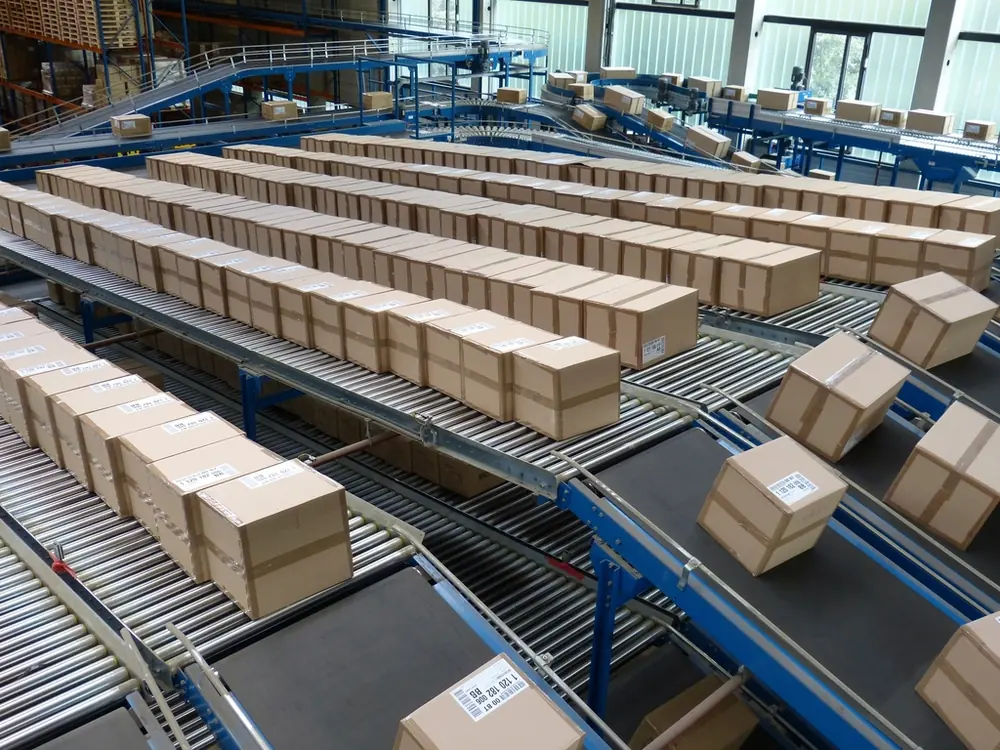
Arrange an inspection when production is complete and most of the order is packed. An inspector compares random units with your specification and approved sample, counts cartons and checks labels. Agree the defect limits in advance (many buyers use AQL sampling). Release the final payment only after the report is acceptable. See production monitoring and inspection.
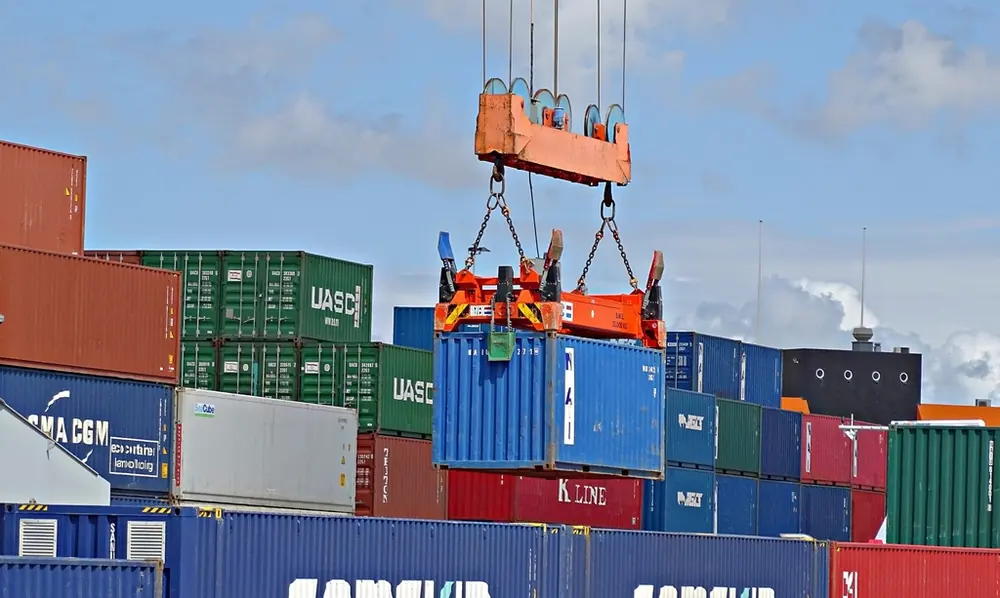
Step 9: How do you ship goods from Pakistan and clear customs?
Choose the shipping method by size, urgency and value:
| Method | Best for | Notes |
|---|---|---|
| Courier | Samples and small parcels | Fast and simple, expensive per kilogram |
| Air freight | Urgent or light, high-value goods | Days rather than weeks |
| Sea freight, shared container (LCL) | Orders too small to fill a container | Charged mainly by volume |
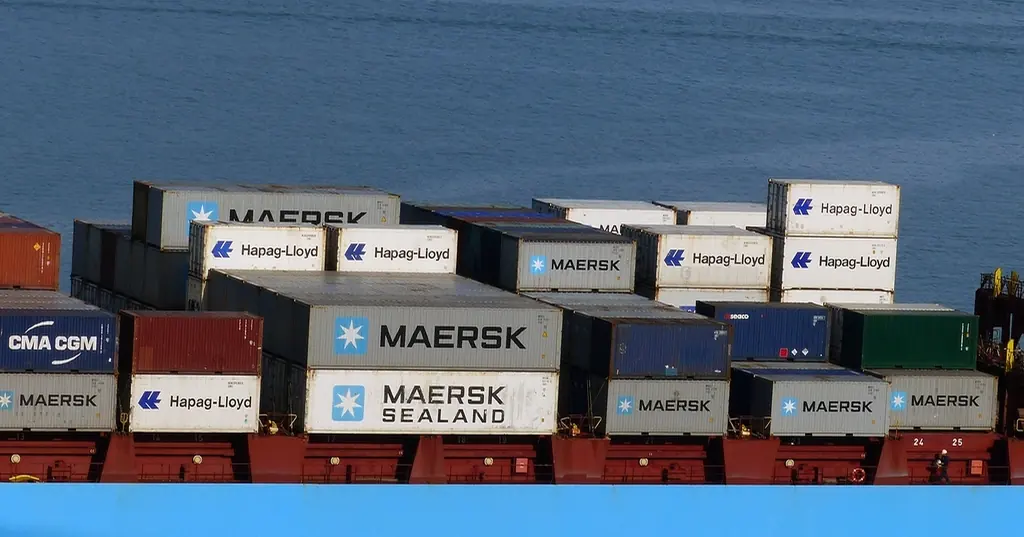
| Sea freight, full container (FCL) | Large orders | Lowest cost per unit; plan several weeks of transit |
You or your freight forwarder will typically need the commercial invoice, packing list, bill of lading or air waybill, certificate of origin and any product-specific certificates. Pakistani exporters file their export declarations through the country's customs systems, including the Pakistan Single Window. Import clearance in your country is normally your responsibility unless you agreed a delivered term.
How much does it cost to import from Pakistan?
Calculate the landed cost, not just the unit price: product price, sample and tooling costs, inspection, inland transport, freight, insurance, import duty and taxes, customs broker fees, port charges, bank charges and delivery to your warehouse. Add a margin for exchange-rate movement and delays. Ask a freight forwarder for a quotation as soon as you know carton sizes and weights.
Which mistakes should first-time importers avoid?
- Ordering from the cheapest quotation without verifying the supplier
- Skipping the sample, or approving it only from photos
- Leaving Incoterms and named places out of the agreement
- Paying the full amount upfront
- Forgetting import rules and duties until the goods arrive
- Planning no time buffer around public holidays and peak season
Which cities in Pakistan manufacture what?
Knowing the cluster helps you search in the right place and plan factory visits efficiently.
| City | Known for | Sourcing tip |
|---|---|---|
| Sialkot | Sports goods, surgical instruments, leather items, sportswear | Many exporters are used to small custom orders; ask about subcontracted stitching |
| Faisalabad | Yarn, fabric, home textiles | Specify composition, GSM and shrinkage in writing |
| Karachi | Textiles, apparel, leather, diversified industry, seaports | Short inland distance to the ports |
| Lahore | Apparel, footwear, light engineering, trading houses | Check whether the supplier manufactures or trades |
| Multan | Cotton products and agriculture-based goods | Plan around harvest seasons for farm products |
| Gujranwala and Gujrat | Electrical appliances, fans, ceramics and metal products | Confirm voltage, plug type and safety testing for your market |
| Wazirabad | Cutlery and knives | Check your country's rules on bladed goods first |
What should your first message to a supplier say?
A short, specific enquiry gets faster and better answers than "send me your price list". Adapt this template:
Hello, we are a [wholesaler / retailer / brand] based in [country]. We are looking for a manufacturer of [product]. Specification: [materials, sizes, colours, branding]. First order: about [quantity] per design, with repeat orders if quality is consistent. Please share your unit price at [quantity A] and [quantity B], MOQ, sample cost and time, production lead time, Incoterm and port, payment terms, and any test reports or certificates for this product. Are you the manufacturer? Which processes do you subcontract?
Suppliers who answer every question clearly usually communicate well during production too. Vague replies, or a price with no questions about your specification, deserve caution.
How do you compare quotations fairly?
Put the answers side by side. The cheapest unit price is often not the cheapest order.
| Compare | Why it matters |
|---|---|
| Incoterm and named place | EXW and FOB prices include very different costs |
| Material and construction | A lower price may mean thinner material or different stitching |
| Tooling, printing and sample fees | These change the real cost of a small order |
| Packaging and carton size | Volume drives sea and air freight |
| Lead time and capacity | Late goods can miss a selling season |
| Quotation validity | Material prices and exchange rates move |
What does a typical import timeline look like?
The figures below are planning examples, not promises. Ask every supplier and forwarder for dates for your order.
| Stage | Planning range | What can delay it |
|---|---|---|
| Supplier search and quotations | 1 to 3 weeks | Unclear specification |
| Sampling and approval | 1 to 4 weeks | New moulds, custom fabric, revisions |
| Production | 3 to 8 weeks | Material supply, holidays, order size |
| Inspection and booking | Several days to 2 weeks | Rework, vessel space |
| Transit and customs | Days by air, weeks by sea | Missing documents, inspections at the border |
Eid holidays and peak export seasons can slow factories and ports, so place seasonal orders early.
Frequently asked questions
Is it safe to import from Pakistan?
It can be, when you verify the supplier, start with a modest order, use a traceable payment method and inspect goods before the final payment. These steps matter in any sourcing country.
What is the minimum order quantity from Pakistani manufacturers?
There is no national minimum. MOQ depends on the product, material and customisation: some suppliers accept small trial orders, while custom fabrics or moulds usually require larger quantities.
How long does an order take?
Allow time for sampling, production and shipping. Sampling often takes one to a few weeks, production depends on quantity, and sea freight adds several weeks. Ask each supplier for dates in writing.
Do I need a company to import from Pakistan?
The rules depend on your own country. Many countries require an importer registration or tax number for commercial shipments, so check with your customs authority before ordering.
Ready to find your supplier?
Tell manufacturers what you need and compare their offers. Request a quotation, browse wholesale products or explore manufacturers.