











Pakistan vs China Manufacturing: Where Should You Source in 2027?
A balanced comparison of Pakistan and China as sourcing countries, with a category-by-category view, a decision scorecard and advice on using both.
China is usually the stronger choice when you need very broad product choice, complex electronics, large volumes and a deep component supply chain. Pakistan is worth serious consideration for textiles, apparel, leather, hand-stitched sports goods and surgical instruments, especially for customised and labour-intensive orders. The right answer depends on your product, so compare real quotations from both.
Pakistan vs China: quick comparison
This table describes general tendencies. Individual factories differ widely.
| Factor | Pakistan | China |
|---|---|---|
| Product range | Concentrated in several strong sectors | Extremely broad |
| Component supply | Strong in cotton, leather and some metals; many parts imported | Deep local supply for most industries |
| Labour-intensive work | A traditional strength | Available, with more automation in many sectors |
| Large scale capacity | Good in textiles; limited in some sectors | Very high across many sectors |
| Small custom orders | Often accommodated by smaller workshops | Varies; many factories prefer volume |
| Business language | English widely used in export business | English common in export sales teams; varies on the floor |
| Main export seaports | Karachi Port and Port Qasim | Many large ports along the coast |
Which products are better sourced from Pakistan?
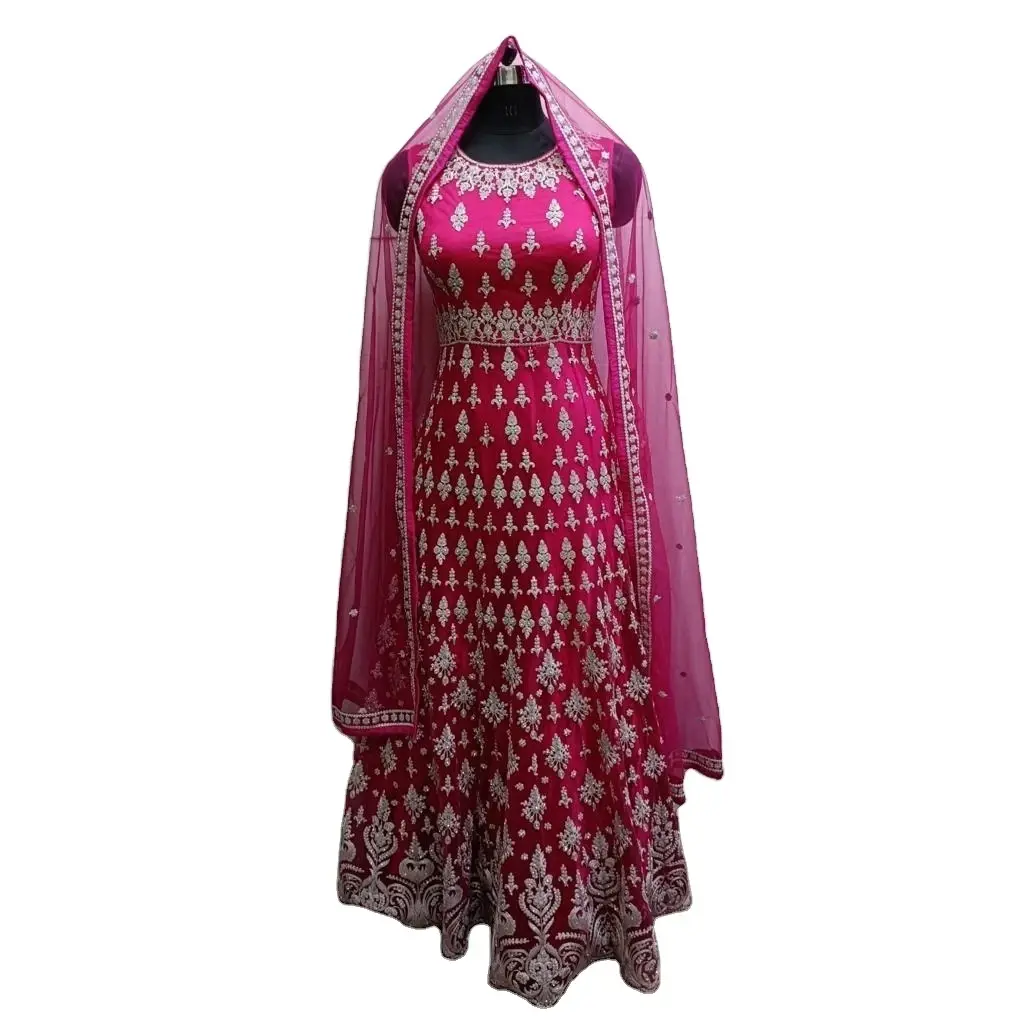
- Home textiles: towels, bed linen and cotton fabrics.
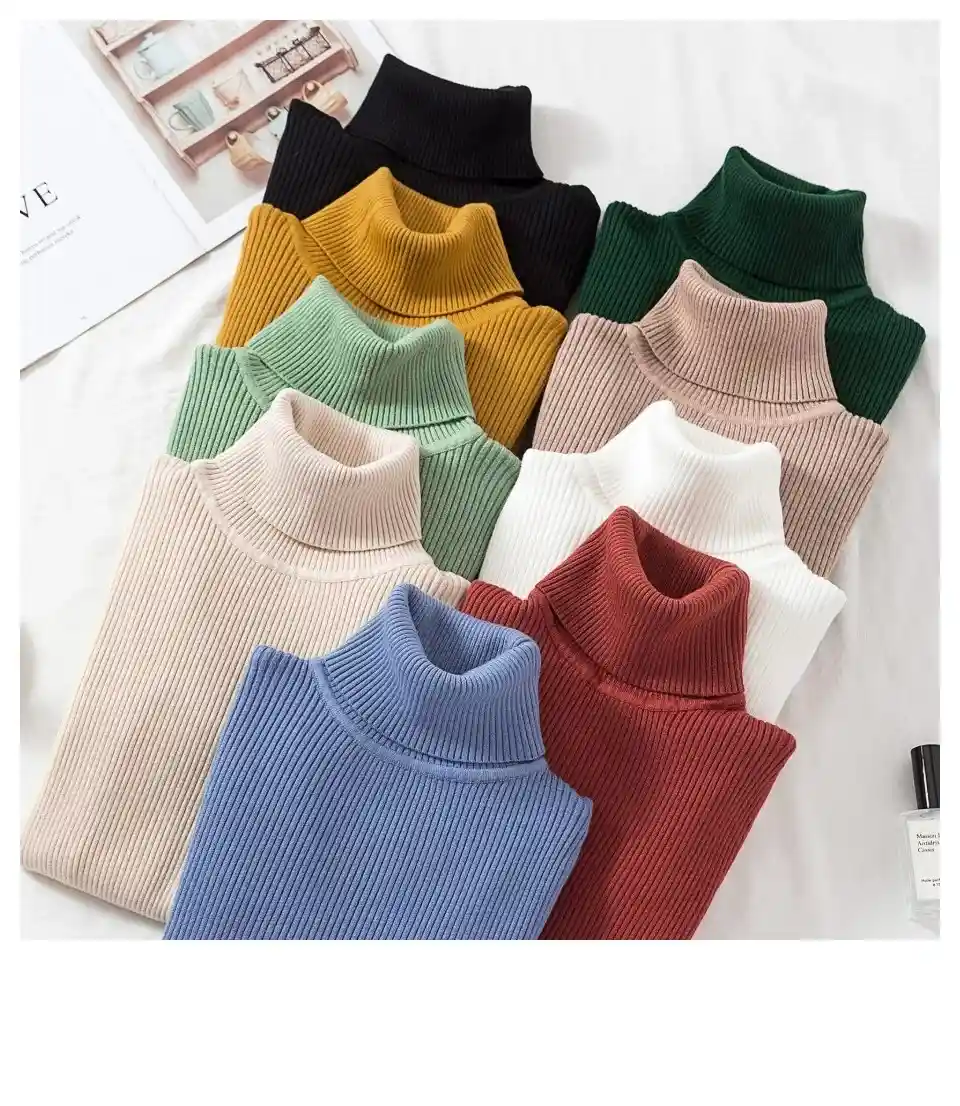
- Apparel: cotton knitwear, denim and sportswear.
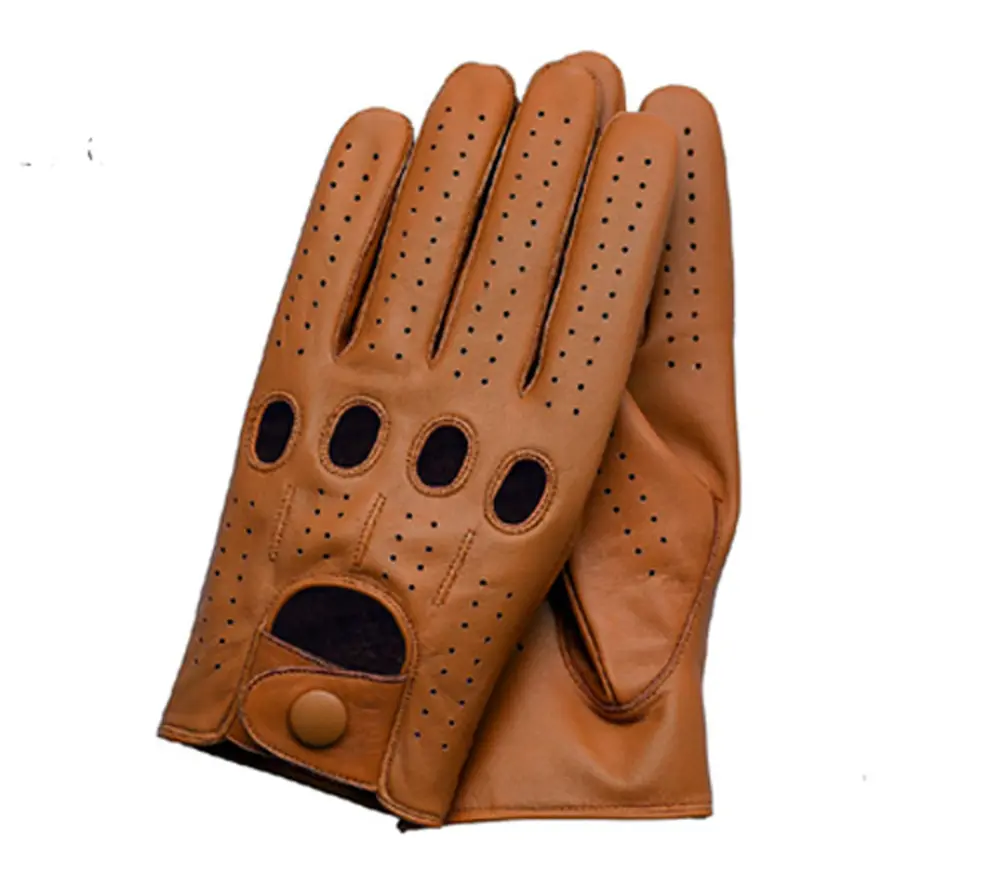
- Leather: gloves, jackets and accessories.
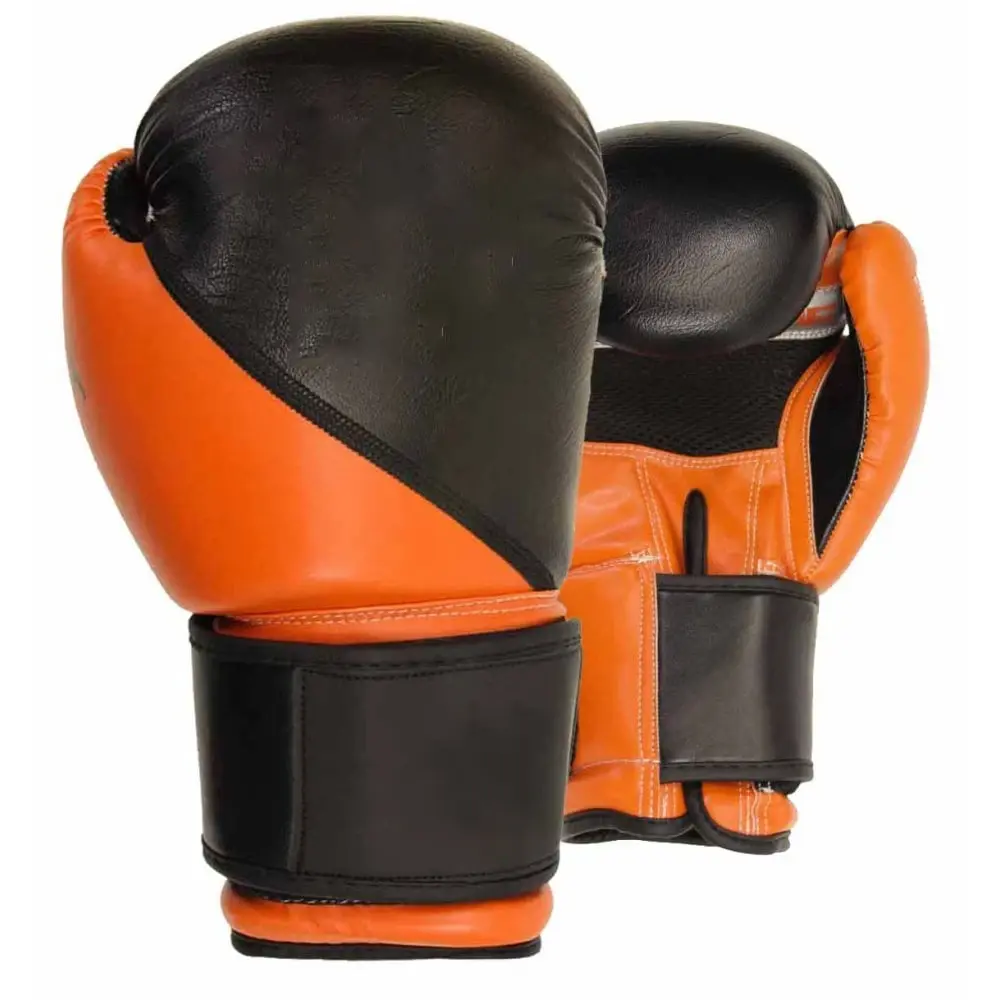
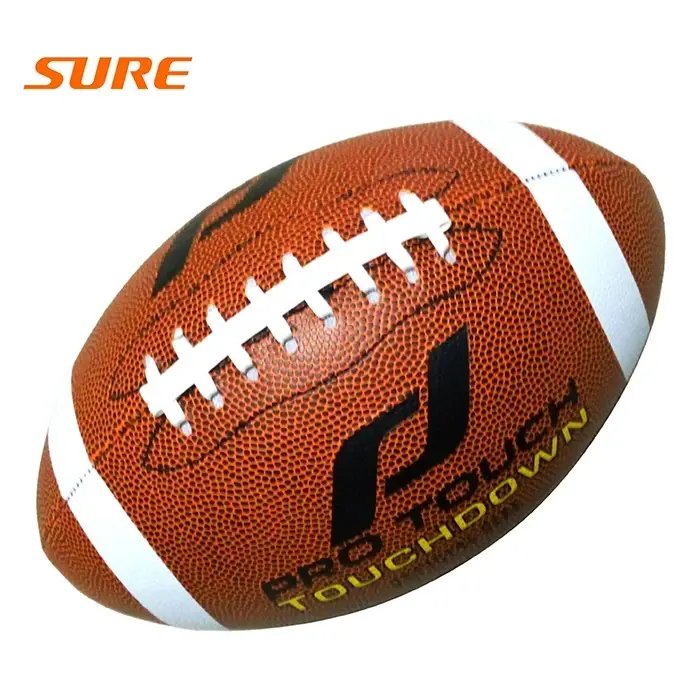
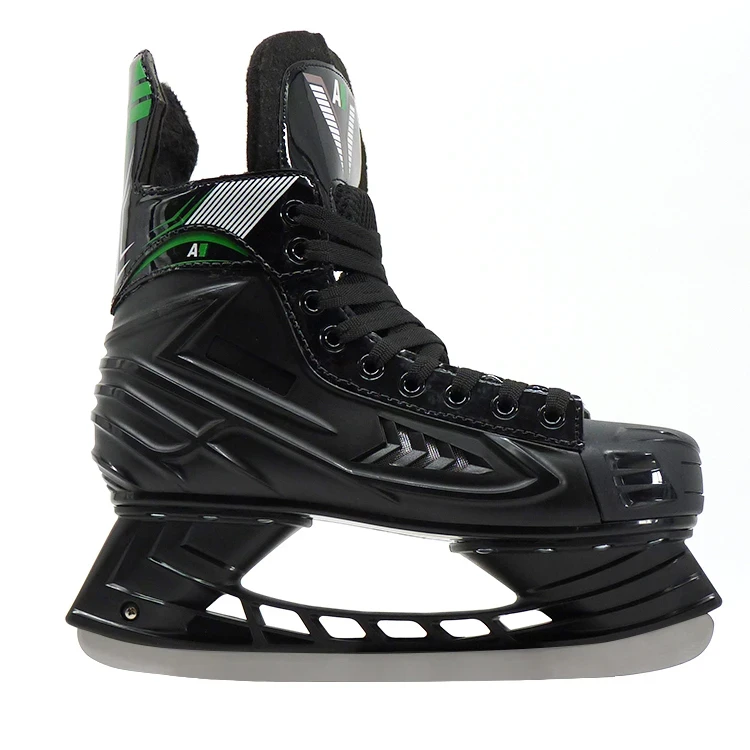
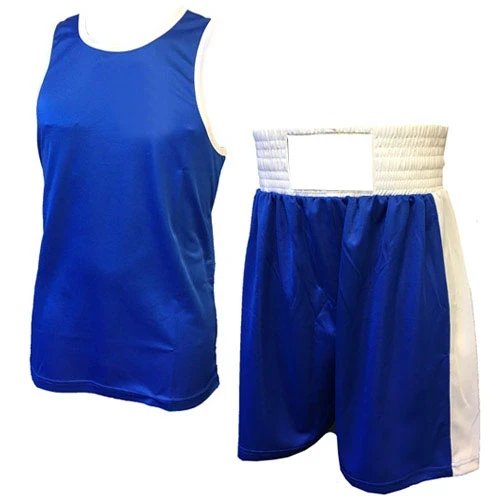
- Sports goods: footballs, boxing equipment and team uniforms, particularly from Sialkot.
- Surgical instruments: a long-established Sialkot industry.
- Rice and some agricultural products.
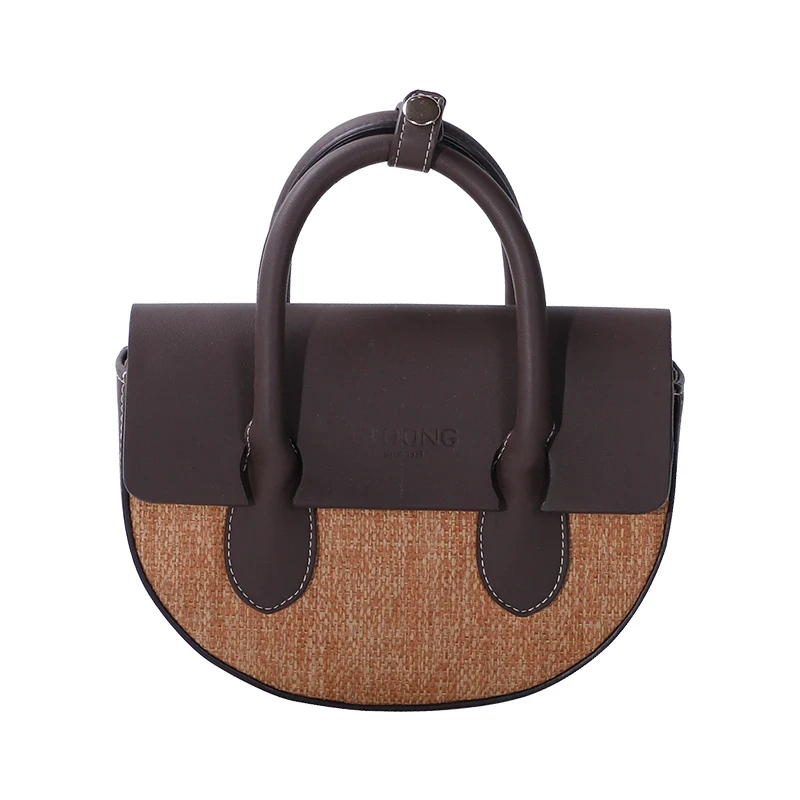
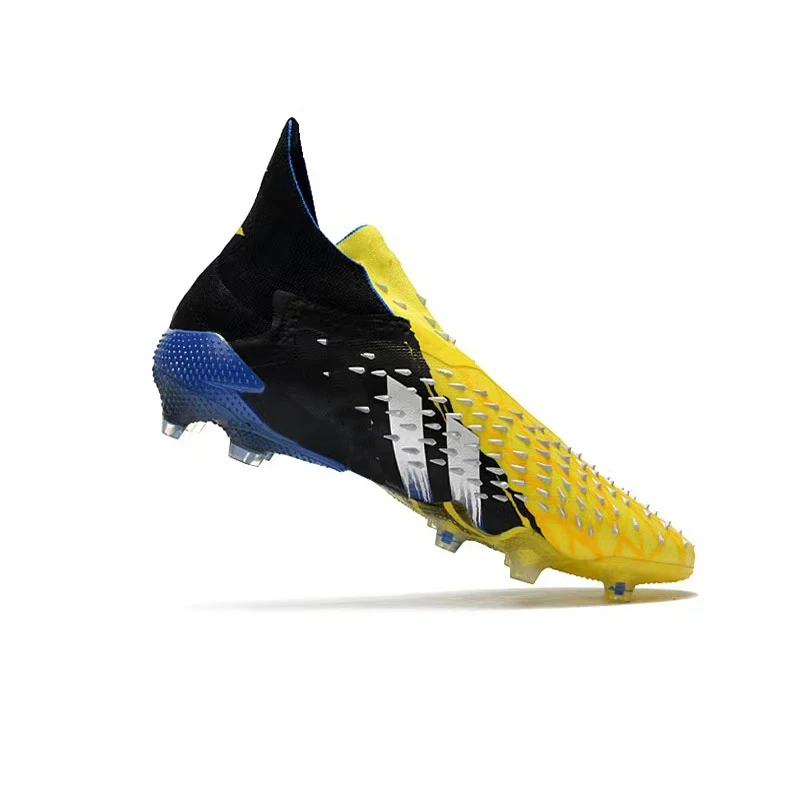
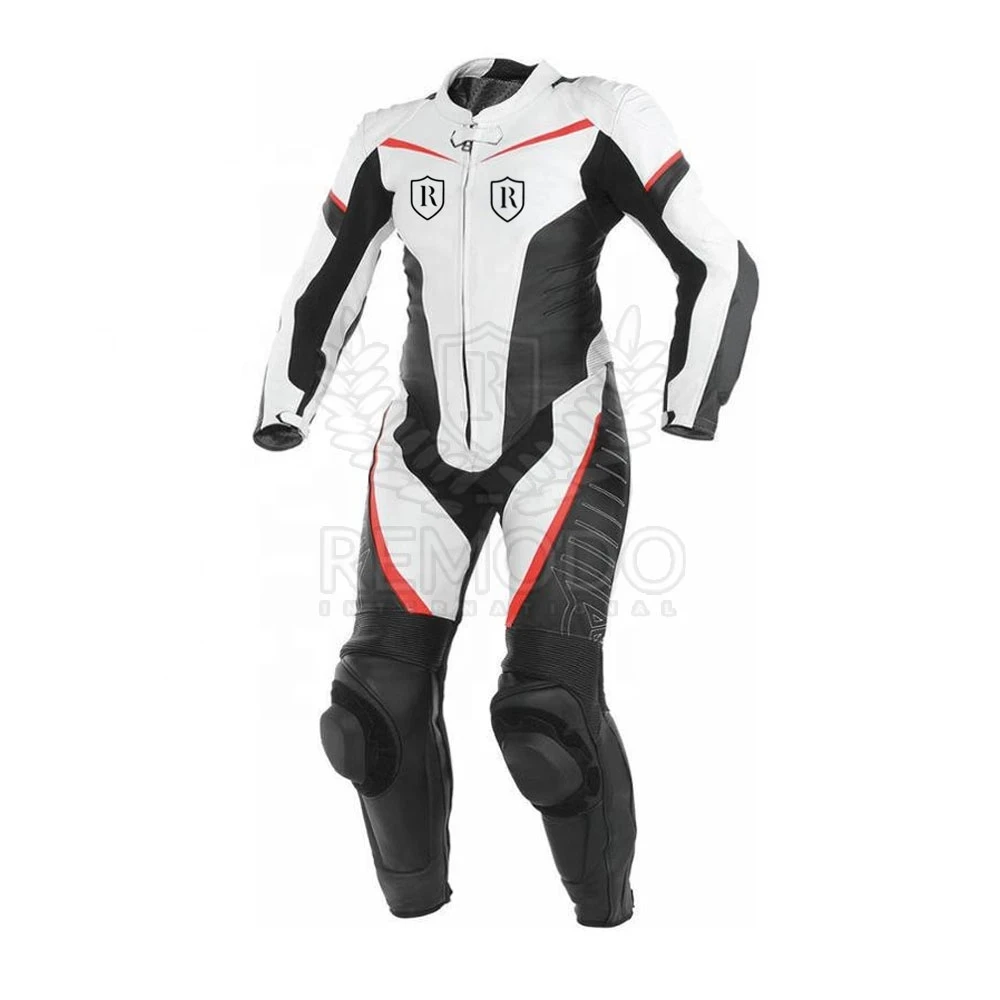
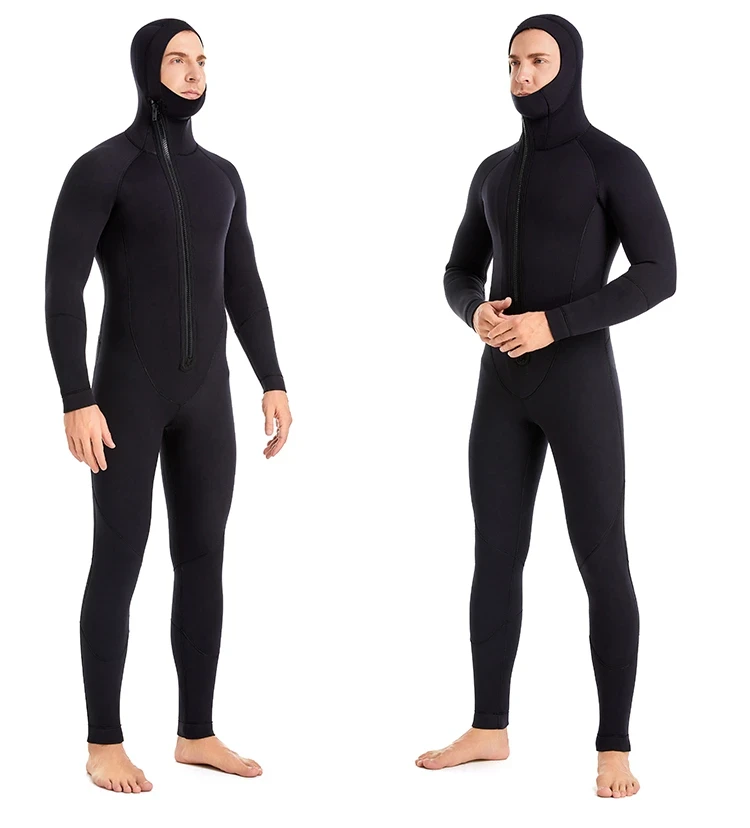
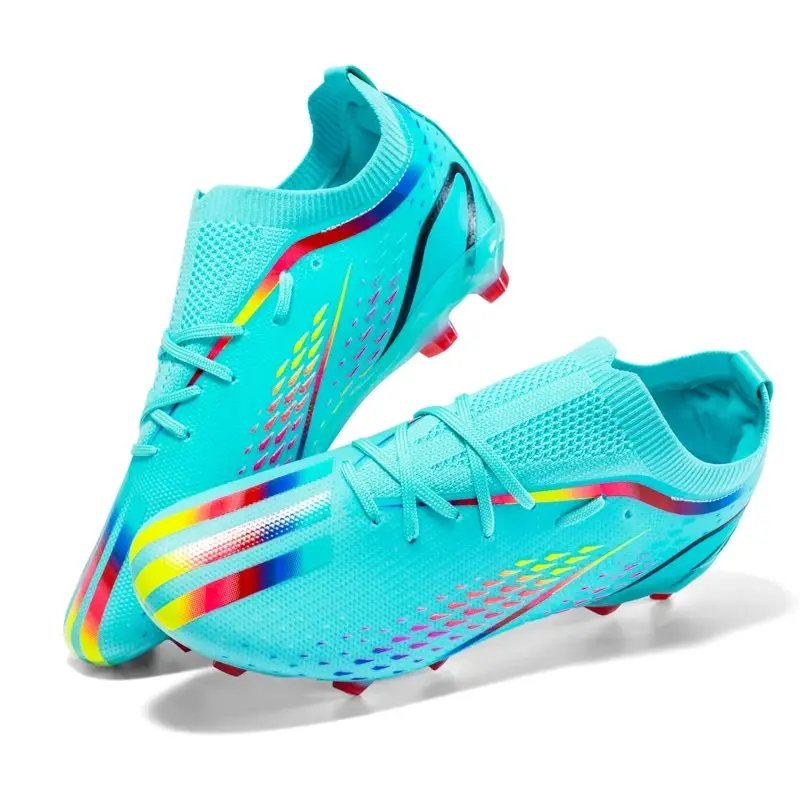
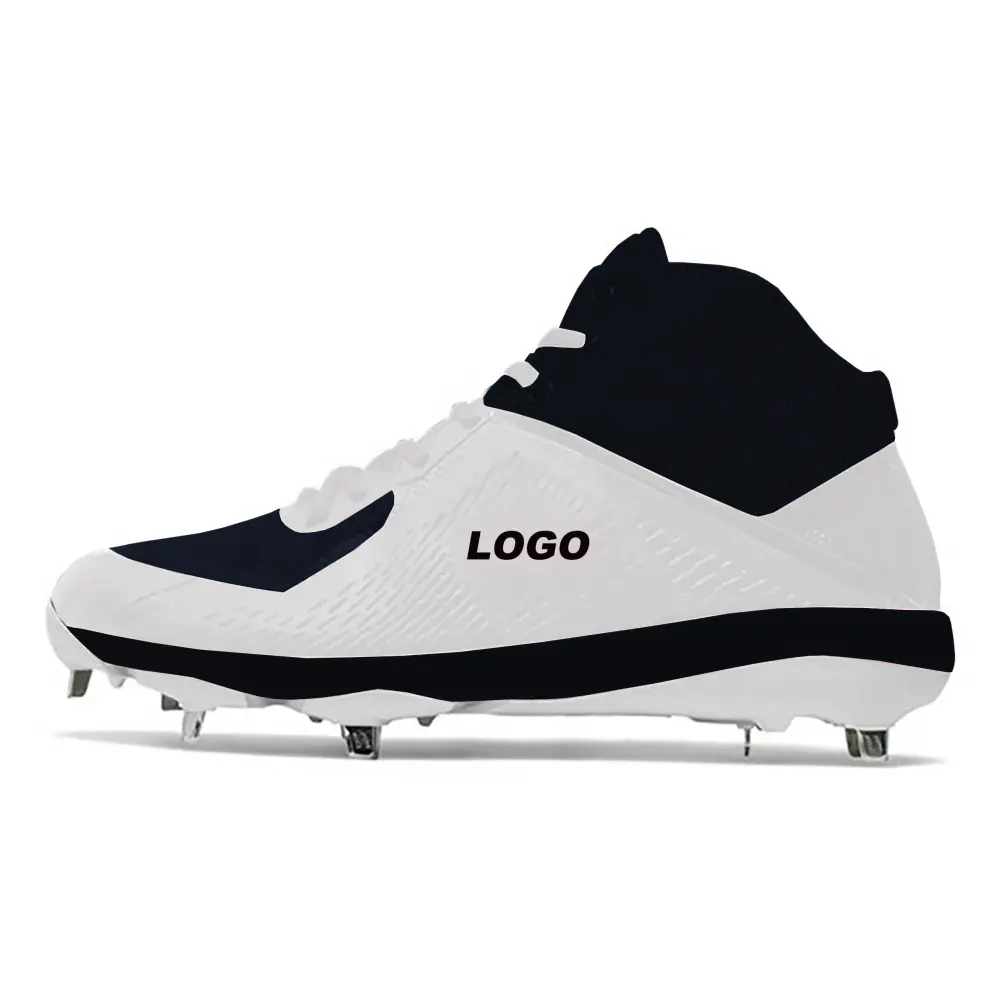
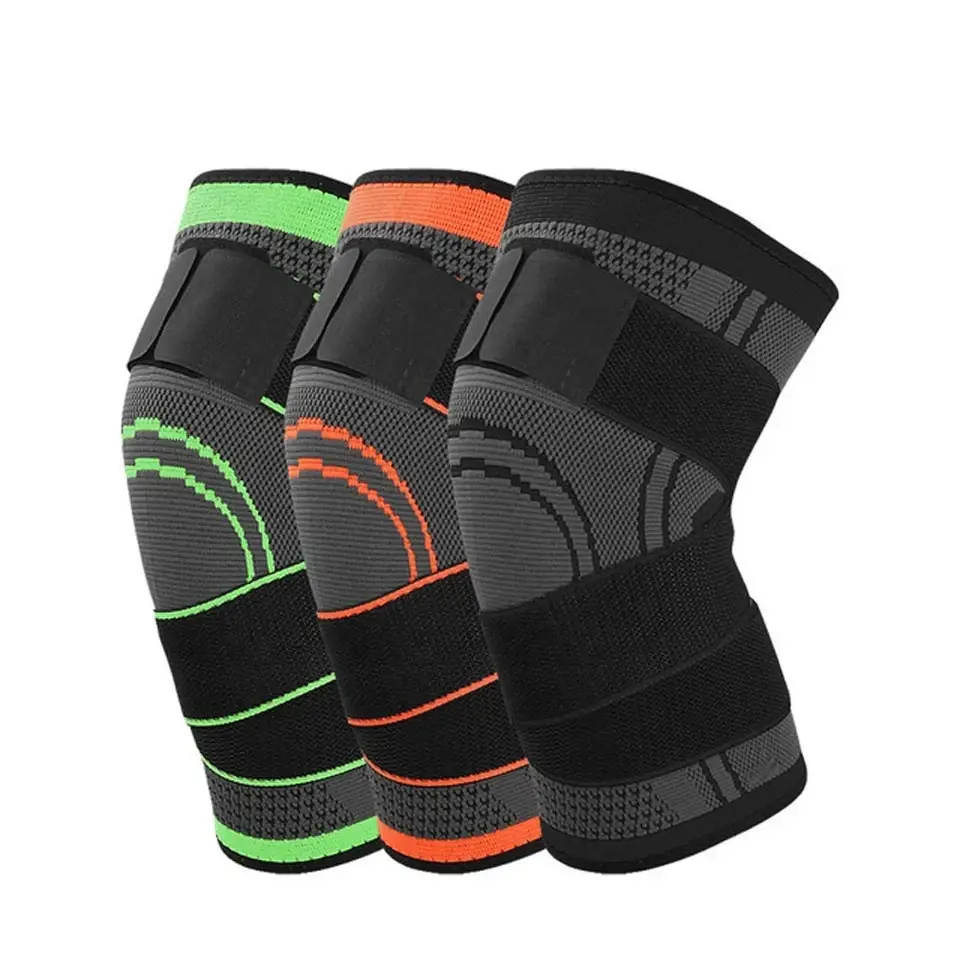
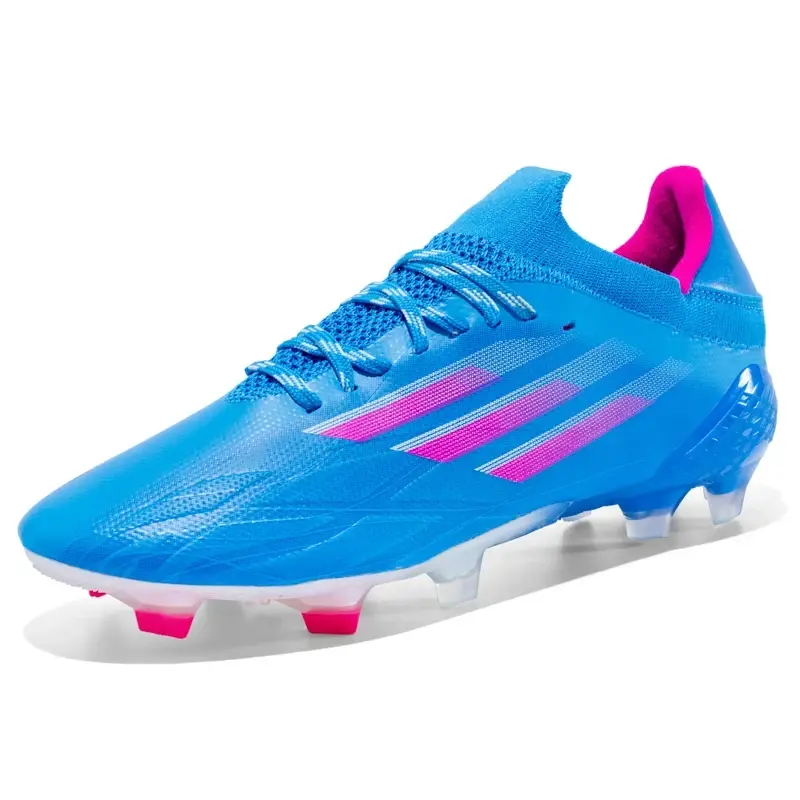
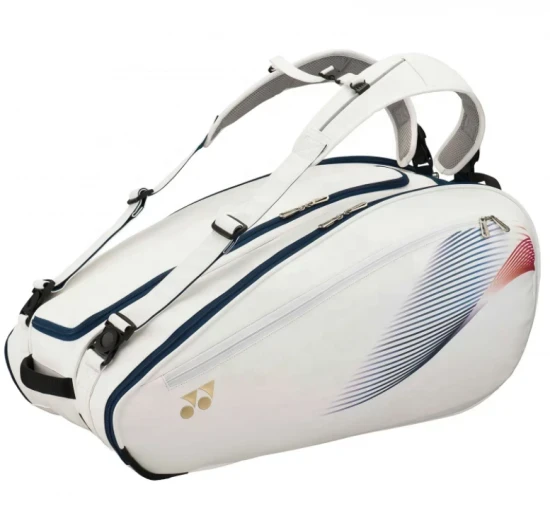
See categories such as boxing uniforms, football boots and bags.
Which products are better sourced from China?
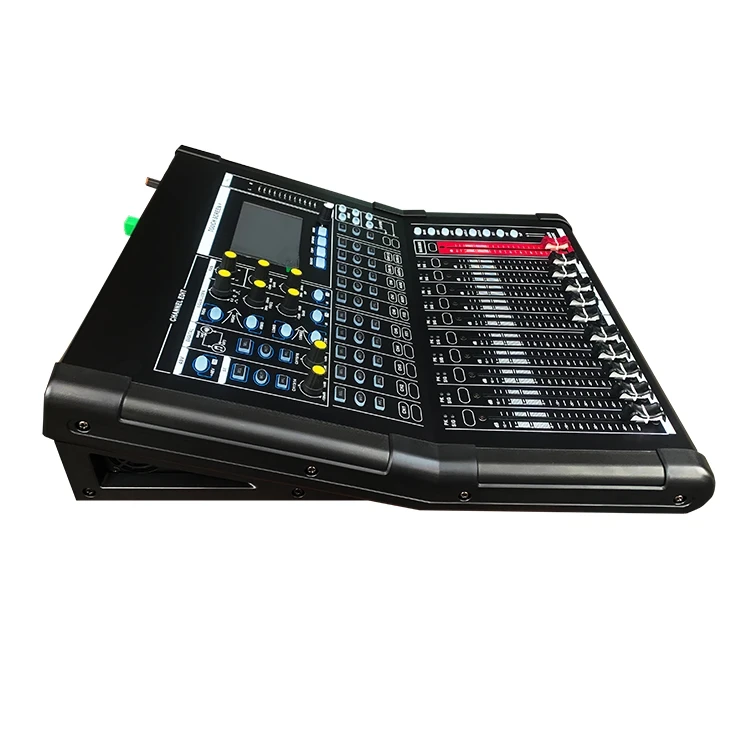
- Consumer electronics and electronic components
- Machinery and industrial equipment
- Plastic products needing many moulds
- Furniture, hardware and small appliances in high volume
- Products that combine many different materials and parts
How do costs compare?
Neither country is always cheaper. Labour cost is only one part of the price. Material availability, order quantity, tooling, quality level, freight, import duty and exchange rates can outweigh a wage difference. Compare landed cost per unit from at least two suppliers in each country.
| Cost element | Question to ask |
|---|---|
| Materials | Are they produced locally or imported by the factory? |
| Tooling | Who owns moulds, dies and screens? |
| Freight | What is the route, transit time and cost per cubic metre? |
| Duty | What rate applies to this HS code from each origin in your country? |
| Quality | What rework or return rate can you accept? |
Some importing countries grant tariff preferences to certain origins. These programmes change, so confirm the current rate with your customs authority or broker.
How do MOQ and lead time compare?
Minimum order quantity depends more on the factory and product than on the country. As a general pattern, smaller export workshops may accept modest customised runs, while large factories set higher minimums but produce faster at scale. Ask each supplier for sample time, production time and capacity for your quantity. Our guide to MOQ and Incoterms explains the terms.
What are the main risks in each country?
| Risk | Pakistan | China | How to reduce it |
|---|---|---|---|
| Delays | Imported inputs, energy interruptions, holidays | Lunar New Year, peak season congestion | Early orders and written dates |
| Quality variation | Subcontracted stitching and finishing | Substituted materials, unannounced subcontracting | Approved sample and inspection |
| Intellectual property | Check enforcement for your design | Copying is a known concern | Written agreements, registrations, limited sharing |
| Payment fraud | Possible anywhere | Possible anywhere | Supplier verification |
| Trade policy changes | Tariffs and preferences can change | Tariffs can change significantly | Check current rates before ordering |
What is a China-plus-one strategy?
China-plus-one means keeping China as a main source while adding a second country to reduce dependence. Pakistan can be that second source for textile, leather and sports categories. Start with one product, run a small order, compare results and expand only when quality and delivery are proven.

How can you decide? Use a scorecard
Give each factor a weight that reflects your business, then score each shortlisted supplier from 1 to 5.
| Factor | Example weight |
|---|---|
| Landed cost | 30% |
| Quality of sample | 25% |
| Lead time reliability | 15% |
| MOQ fit | 10% |
| Communication | 10% |
| Compliance documents | 10% |
Scoring suppliers, not countries, usually leads to a better decision.
How do you start sourcing from both?
- Write one detailed specification.
- Send the same RFQ to suppliers in both countries.
- Verify the best candidates.
- Order samples and compare them side by side.
- Calculate landed cost and place a trial order.
Beginners can follow how to import from Pakistan for each step.
Category by category: where should you look first?
| Product category | Look first | Reason |
|---|---|---|
| Cotton towels and bed linen | Pakistan, compare China | Established cotton textile base |
| Hand-stitched footballs and boxing gear | Pakistan | Long-standing Sialkot specialisation |
| Leather gloves and jackets | Pakistan, compare China | Tanning and stitching clusters |
| Surgical instruments | Pakistan, compare other origins | Specialised instrument makers; check regulatory documents |
| Synthetic performance fabrics | Compare both | Depends on fabric availability |
| Smartphone accessories and electronics | China | Component ecosystem |
| Solar and LED lighting | Compare both | Check who makes the key components |
| Machinery and moulds | China | Breadth of suppliers and tooling shops |
How do communication and working practices differ?
In both countries, written confirmation prevents mistakes. Confirm every change in one message that lists the final specification, price and date. Note weekends and holidays: many Pakistani businesses slow down around the two Eid holidays, while Chinese factories often close for an extended period around Lunar New Year and for the early October holiday. Plan sampling and production around these dates.
Time zones also matter. Pakistan is five hours ahead of UTC and China is eight hours ahead, which affects how quickly questions are answered from Europe, the Gulf or the Americas.
How does shipping compare?
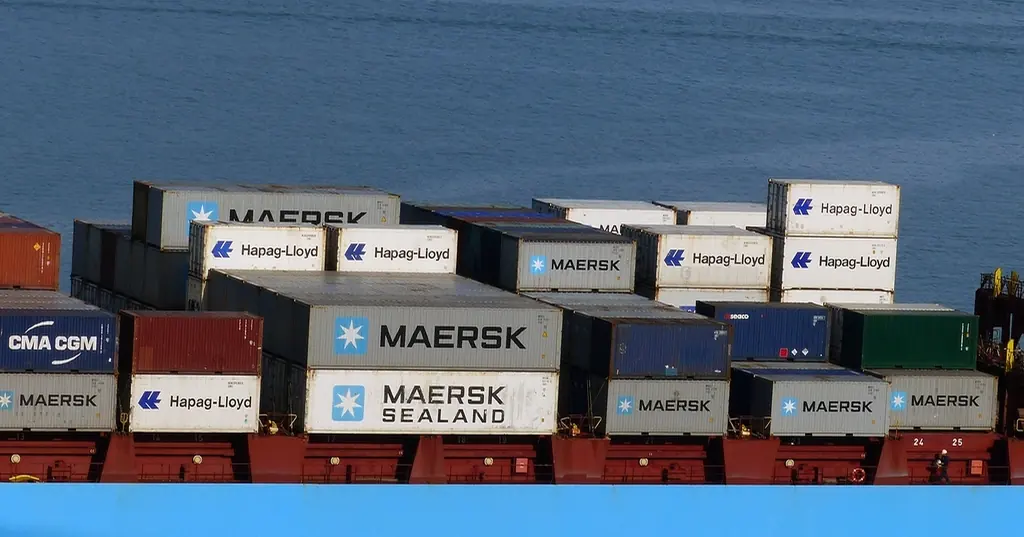
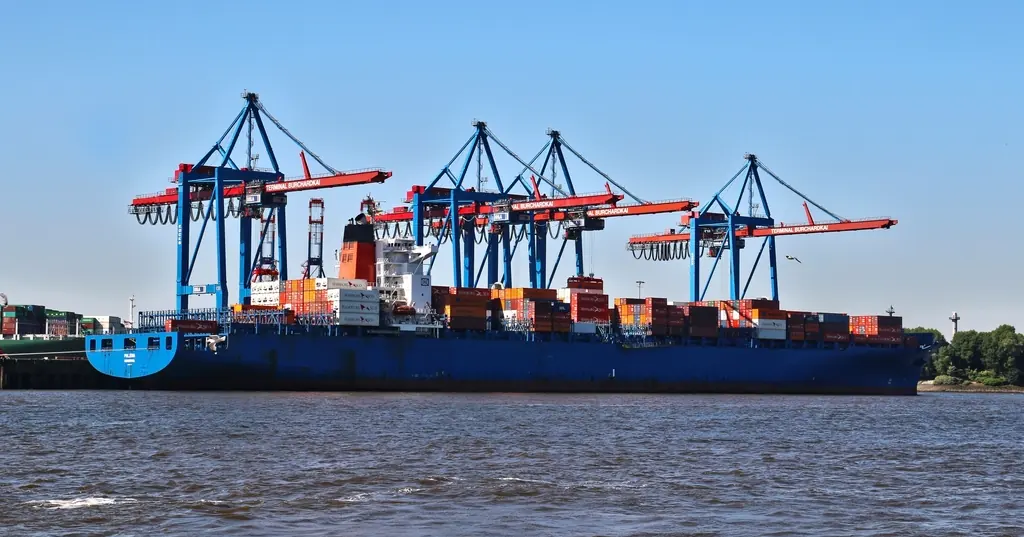
Transit time depends on the destination, route and shipping line. Karachi is well placed for Gulf destinations, while Chinese ports offer very frequent sailings on major trade lanes. Do not compare countries in general; ask a freight forwarder to quote both routes for your carton volume, including transit days, number of transshipments and destination charges.
Example: choosing a source for a sportswear brand
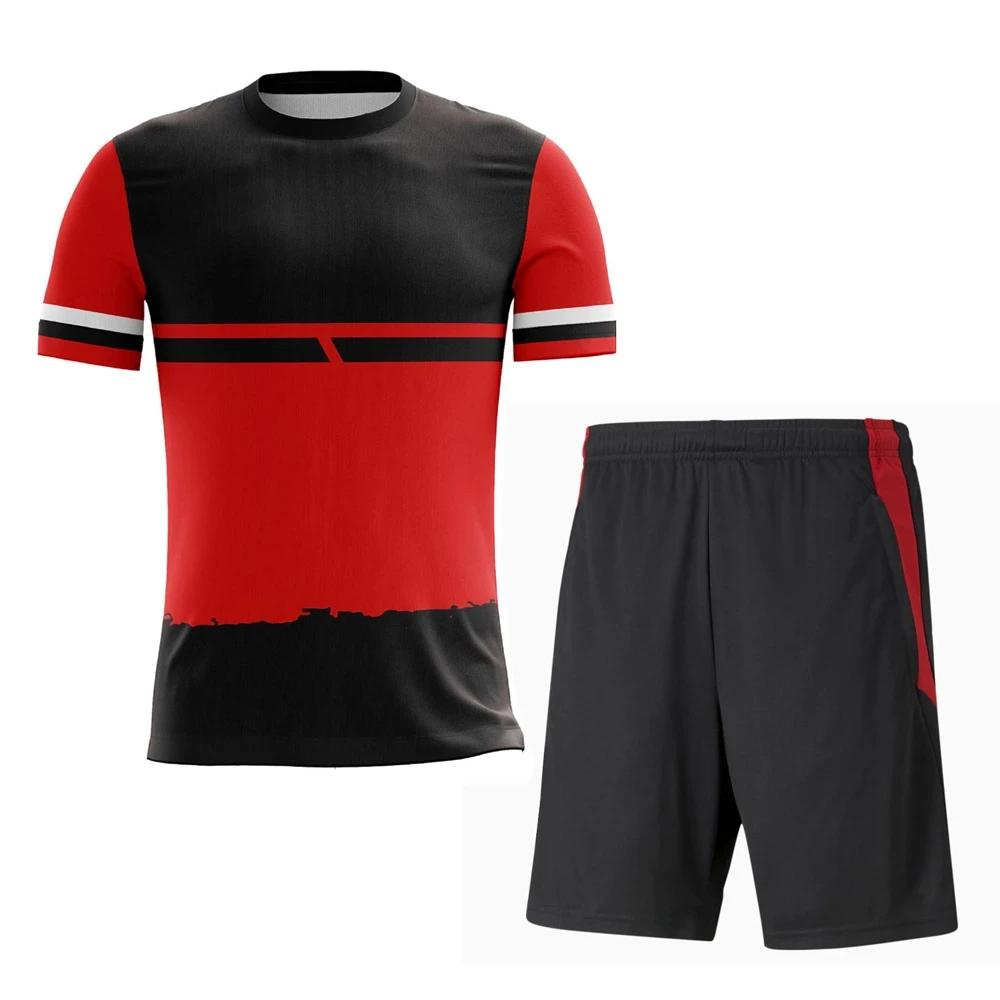
Imagine a small brand that needs custom team uniforms, 300 sets in several designs. It sends one specification to two suppliers in each country. It then compares sample quality, minimum quantity per design, the price of sublimation printing, production time and landed cost. A Pakistani workshop may suit smaller design runs, while a Chinese supplier may offer a wider range of synthetic fabrics. The decision comes from the samples and the numbers, not the country name. This is an illustration of the method, not a measured result.
Questions to ask suppliers in both countries
- Do you manufacture this item yourself, and where?
- Where do your main materials come from?
- What is your MOQ per design, size and colour?
- Which holidays or peak periods affect our dates?
- Which certificates and test reports apply to this exact product?
- How do you handle defective goods?
Frequently asked questions
Is Pakistan cheaper than China?
For some labour-intensive products it can be, but not for everything. Compare landed cost for your exact specification and quantity.
Is product quality better in China or Pakistan?
Both countries have excellent and poor factories. Quality depends on the supplier, the specification, the approved sample and inspection.
Can I source electronics from Pakistan?
Some electrical products are made or assembled in Pakistan, but China offers a far wider electronics supply chain. Check each supplier's actual capability.
Can one marketplace show suppliers from both?
Yes. IncomeOn connects buyers with manufacturers in Pakistan and China; you can send one enquiry and compare responses.
Compare quotes from both countries
Request a quotation or browse manufacturers and compare offers for your product.