




















































































































































































































































































































































































































 factories

IncomeOn Global Marketplace Violation Reporting & Enforcement Policy
Effective Date: October 2025 | Governing Directive Ref: IPR-COMP-2026-V4
This official statutory framework establishes the formal mechanisms, evidentiary thresholds, legal classifications, and procedural protocols for reporting commercial fraud, intellectual property piracy, product safety violations, regulatory non-compliance, and abusive trading practices across the IncomeOn international B2B commerce network.
Table of Contents
- Statutory Authority, Regulatory Mandate & Platform Jurisdiction
- Exhaustive Classification of Reportable Violations
- Evidentiary Standards & Required Documentation for Filings
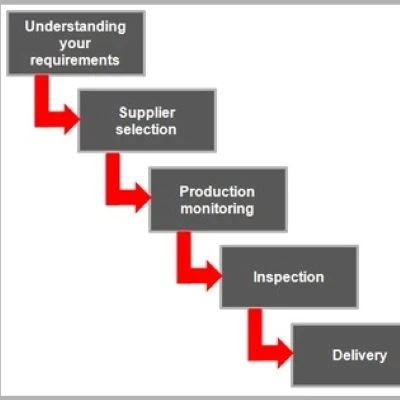
- Six-Phase Investigation, Adjudication & Enforcement Workflow
- Sanctions, Penalty Point Scoring & Account Forfeiture Matrix
- Whistleblower Protections, Data Anonymity & Anti-Retaliation
- Bad-Faith Filings, Anti-Competitive Sabotage & Legal Indemnity
- Official Filing Protocol & Structured Submission Dossier Template
1. Statutory Authority, Regulatory Mandate & Platform Jurisdiction
1.1 Statutory Compliance Mandate: IncomeOn operates in rigorous conformity with international commercial regulations, including the United States Digital Millennium Copyright Act (17 U.S.C. § 512), the European Union Digital Services Act (Regulation EU 2022/2065), the Lanham Trademark Act (15 U.S.C. § 1051), international export control regimes, and anti-money laundering (AML) frameworks.
1.2 Universal Platform Remit: This reporting framework governs all commercial interactions, verified manufacturing facilities, product catalog entries, Request for Quotation (RFQ) responses, custom OEM/ODM tooling disclosures, commercial invoices, and direct message exchanges taking place within or originating from IncomeOn digital ecosystems.
1.3 Fiduciary Duty to Legitimate Commerce: The Platform maintains an uncompromising duty of care to protect legitimate intellectual property rights holders, certified manufacturing plants, institutional buyers, and global supply chains against bad-faith actors, illicit cartels, and fraudulent commercial schemes.
2. Exhaustive Classification of Reportable Violations
Formal reports submitted to the IncomeOn Trust & Safety Department are classified into distinct legal and commercial categories:
A. Intellectual Property Rights (IPR) Infringement & Industrial Espionage
- Trademark Infringement & Counterfeiting: Unauthorized display, manufacture, or wholesale marketing of goods bearing registered trademarks, logos, brand emblems, or confusingly similar trade dress without verified licensing authorization from the legal brand owner.
- Copyright Piracy & Media Theft: Direct duplication or scraping of proprietary product photography, promotional videos, technical user manuals, CAD schematics, or marketing literature owned by a third-party creator.
- Patent & Utility Model Infringement: Manufacturing or offering for export products that incorporate patented mechanical mechanisms, electrical architectures, or proprietary industrial utility claims.
- OEM/ODM Tooling & Mold Misappropriation: Breach of non-disclosure covenants by factories utilizing a buyer's proprietary injection molds, stamping dies, or custom design tooling to manufacture unapproved goods for unauthorized commercial distribution.
B. Commercial Fraud, Financial Scams & Payment Circumvention
- Payment Diversion & Off-Platform Solicitation: Coercing buyers to wire transaction deposits or balance payments to unregistered offshore bank accounts, third-party remittance agencies, or personal wallets with intent to evade platform escrow protections.
- Corporate Identity Forgery & Shell Entities: Registering accounts utilizing forged government business licenses, stolen corporate registration certificates, falsified factory addresses, or fictitious legal representatives.
- Advance-Fee & Phantom Inventory Schemes: Collecting manufacturing deposits for catalog inventory that the seller does not possess, does not have the technical capacity to manufacture, or has no intention of fulfilling.
- Bait-and-Switch Pricing: Quoting artificially depressed pricing on official RFQ bids, followed by unilateral price increases after receiving deposits under false claims of raw material inflation.
C. Prohibited, Dangerous & Sanctioned Contraband
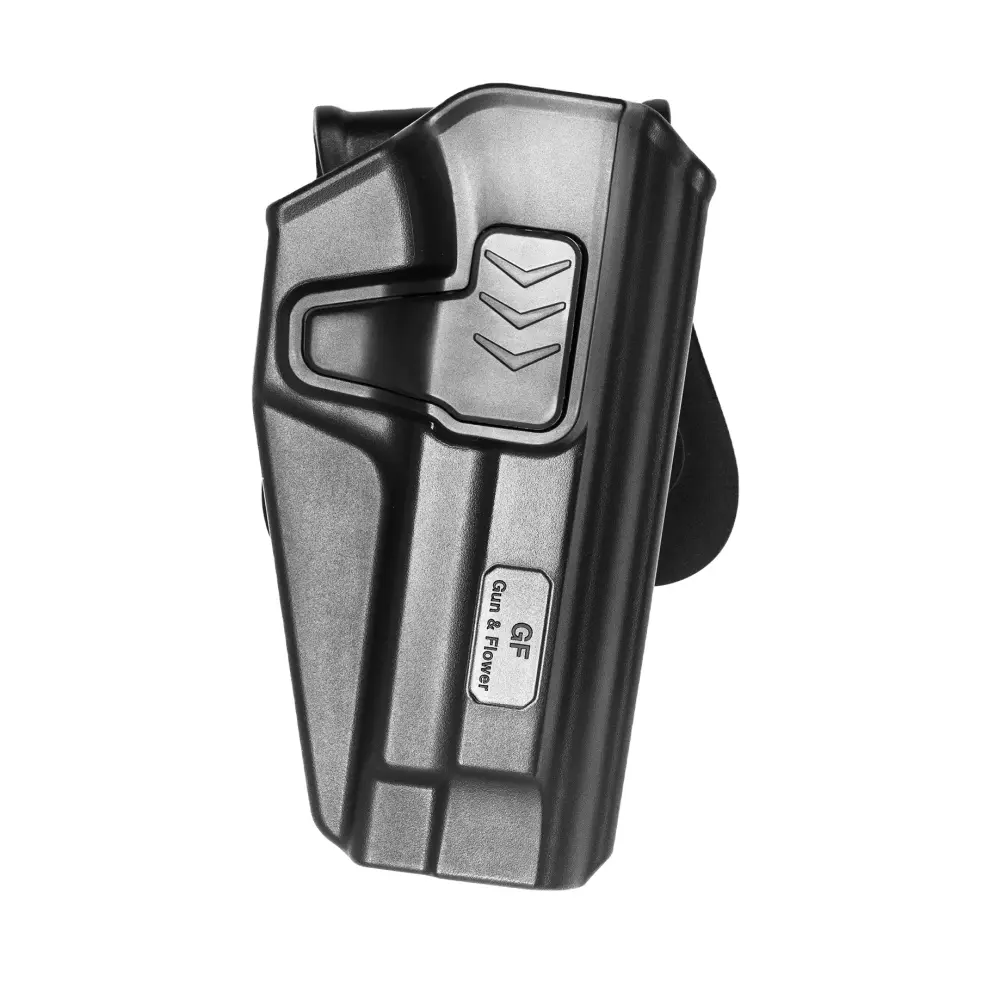
- Weapons & Munitions: Firearms, ammunition, offensive military hardware, explosive precursors, and restricted tactical equipment.
- Hazardous & Unregulated Chemicals: Substances violating RoHS, REACH, OSHA, or Montreal Protocol standards, toxic chemical agents, and uncertified industrial hazardous wastes.
- Uncertified Medical & Pharmaceutical Contraband: Controlled active pharmaceutical ingredients (APIs), counterfeit medical PPE, and diagnostic medical equipment lacking valid health authority clearance.
- Endangered Wildlife (CITES): Animal furs, ivory, turtle shell products, and protected timber harvested in violation of the Convention on International Trade in Endangered Species.
- International Sanctions Violations: Goods or entities originating from, or transshipping through, jurisdictions subject to United Nations, European Union, or United States (OFAC) trade embargoes.
D. Substandard Manufacturing & Regulatory Deception
- Falsified Quality Certifications: Publishing fabricated or altered CE, FDA, FCC, UL, RoHS, or ISO 9001/14001 laboratory test certificates.
- Intentional Material Downgrading: Supplying industrial products manufactured from inferior metallurgical or chemical grades (e.g. substituting Grade 316 stainless steel with Grade 201 steel) relative to agreed purchase order contracts.
- Tampered Inspection Badges & Seals: Forging quality inspection pass stamps or unauthorized removal of official container loading seals.
Zero Tolerance Notice: Any entity found engaging in Category A (Counterfeiting) or Category B (Financial Fraud) faces instant irreversible account termination, forfeiture of pending listings, and mandatory referral to international criminal law enforcement authorities.
3. Evidentiary Standards & Required Documentation for Filings
To ensure objective adjudication, prevent frivolous commercial harassment, and maintain due process, all violation reports must satisfy established evidentiary standards prior to formal docketing:
Required Primary Evidence by Case Type:
- For Trademark Infringement Claims: Official Certificate of Trademark Registration issued by a competent national or regional trademark office (e.g., USPTO, EUIPO, WIPO, CNIPA), accompanied by proof of ownership or an authenticated Power of Attorney (POA) granting legal standing to the reporting agent.
- For Copyright & Digital Media Claims: Specific URL links identifying the original copyrighted work (or certified creation timestamp) alongside the exact URL links to the allegedly infringing listings hosted on IncomeOn.
- For Patent Infringement Claims: Official Patent Letters, jurisdictional claims schedules, and an independent technical claim-chart comparing the patent claims with the physical structure or function of the accused product.
- For Commercial Fraud & Non-Delivery Claims: Unaltered copies of signed Proforma Invoices (PI), Purchase Orders (PO), wire transfer SWIFT confirmations, official Bill of Lading (B/L) documents, and unedited IncomeOn chat transcripts demonstrating the fraudulent representation.
- For Substandard Quality & Material Downgrading Claims: Official laboratory test reports conducted by ISO 17025-accredited testing agencies (e.g., SGS, Intertek, TÜV SÜD) or comprehensive on-site AQL inspection reports demonstrating critical failure against contracted specifications.
4. Six-Phase Investigation, Adjudication & Enforcement Workflow
IncomeOn applies a structured, multi-phase investigation methodology to guarantee thorough forensic analysis and equitable procedural fairness:
Phase 01: Intake, Identity Validation & Case Triage (Within 12 Hours)
The formal complaint dossier is assigned a unique tracking case number and reviewed by legal compliance officers to confirm statutory standing, documentation completeness, and jurisdictional validity.
Phase 02: Emergency Risk Assessment & Temporary Listing Quarantine
Where prima facie evidence indicates imminent public safety hazards, severe financial fraud, or egregious counterfeit piracy, the accused listings are immediately quarantined from public search indexing pending final determination.
Phase 03: Respondent Notice & 48-Hour Counter-Notification Window
A formal Notice of Investigation is issued to the reported seller or entity. The respondent is granted a strict 48-business-hour window to submit official counter-evidence, valid licensing agreements, origin paperwork, or proof of authorization.
Phase 04: Neutral Forensic Review & Legal Panel Deliberation
Our Trust & Safety Legal Panel, supported where necessary by independent technical experts, cross-examines submitted evidence against international trade law and platform covenants to render a binding factual finding.
Phase 05: Sanction Execution & Asset/Listing Action
Enforcement measures are executed immediately based on the verified severity tier, including permanent listing deletion, storefront suspension, escrow freezing, or permanent platform expulsion.
Phase 06: Formal Reporting Notification & Compliance Record Archival
Both the reporting party and respondent receive written confirmation detailing the final determination and enacted remedies. The case is permanently logged in the supplier's risk score profile.
5. Sanctions, Penalty Point Scoring & Account Forfeiture Matrix
Confirmed violations incur mandatory cumulative penalty points that dictate immediate platform sanctions and long-term operating eligibility:
| Infraction Level | Violation Types & Prohibited Acts | Point Value | Mandatory Platform Sanction |
|---|---|---|---|
| Tier 1: Critical Threat | Counterfeit goods, financial fraud, unauthorized off-platform payment schemes, hazardous materials, forged corporate business licenses. | 48 Points (Instant Maximum) | Immediate Permanent Account Ban, Domain Blacklist, Escrow Freeze & International Law Enforcement Referral. |
| Tier 2: Major Breach | Delivering batches failing contracted AQL quality standards, unauthorized CAD tooling replication, falsified CE/FDA test certificates, unnotified delivery delays > 30 days. | 12 - 24 Points | 30-Day Storefront Suspension, Search Demotion & Immediate Revocation of "Verified Manufacturer" Badge. |
| Tier 3: Moderate Infraction | Unresponsive dispute handling (>72 hrs), misleading secondary specifications, unapproved catalog image usage, intentional keyword spamming. | 6 - 12 Points | Listing Deletion, 14-Day Search Suppression & Formal Compliance Warning. |
| Tier 4: Administrative Flaw | Minor categorization errors, expired secondary certificates, typographical errors in product dimensions. | 2 - 4 Points | Formal Rectification Notice (48-hour mandatory cure window). |
Cumulative Account Forfeiture Threshold: Penalty points remain active on a corporate profile for twelve (12) consecutive months from issuance. An accumulation of 48 total points within any rolling 12-month period results in irrevocable corporate blacklisting across all IncomeOn subsidiaries.
6. Whistleblower Protections, Data Anonymity & Anti-Retaliation
6.1 Absolute Confidentiality: IncomeOn vigorously protects the identity of whistleblowers, corporate informants, and reporting brand representatives. Personal identifying information of reporting parties is never disclosed to accused entities without express statutory court order.
6.2 Strict Anti-Retaliation Protection: Any attempt by a reported supplier or buying entity to retaliate, threaten, harass, initiate bad-faith counter-claims, or sabotage the commercial operations of a reporting party constitutes an aggravated Tier 1 Critical Infraction resulting in instantaneous permanent expulsion and legal indemnification.
7. Bad-Faith Filings, Anti-Competitive Sabotage & Legal Indemnity
7.1 Prohibition of Anti-Competitive Takedowns: The violation reporting portal must never be weaponized as an anti-competitive tool to suppress legitimate competitors, disrupt supply chain deliveries, or extort commercial concessions.
7.2 Liability for Malicious Filings: Any entity that knowingly submits falsified, fabricated, or perjurious infringement notices shall be held fully liable for all commercial damages, legal defense expenditures, and lost profits incurred by the victimized supplier and IncomeOn under applicable statutory trade law.
8. Official Filing Protocol & Structured Submission Dossier Template
To initiate a formal violation investigation, please compile your evidence dossier and submit it directly to our central Trust & Safety Compliance inbox at info@incomeon.com.
Standardized Dossier Structure (Please copy and populate in your email):
Response Timeline Commitment: Formal violation filings submitted in conformity with this protocol receive formal docketing and initial case triage within 12 business hours.